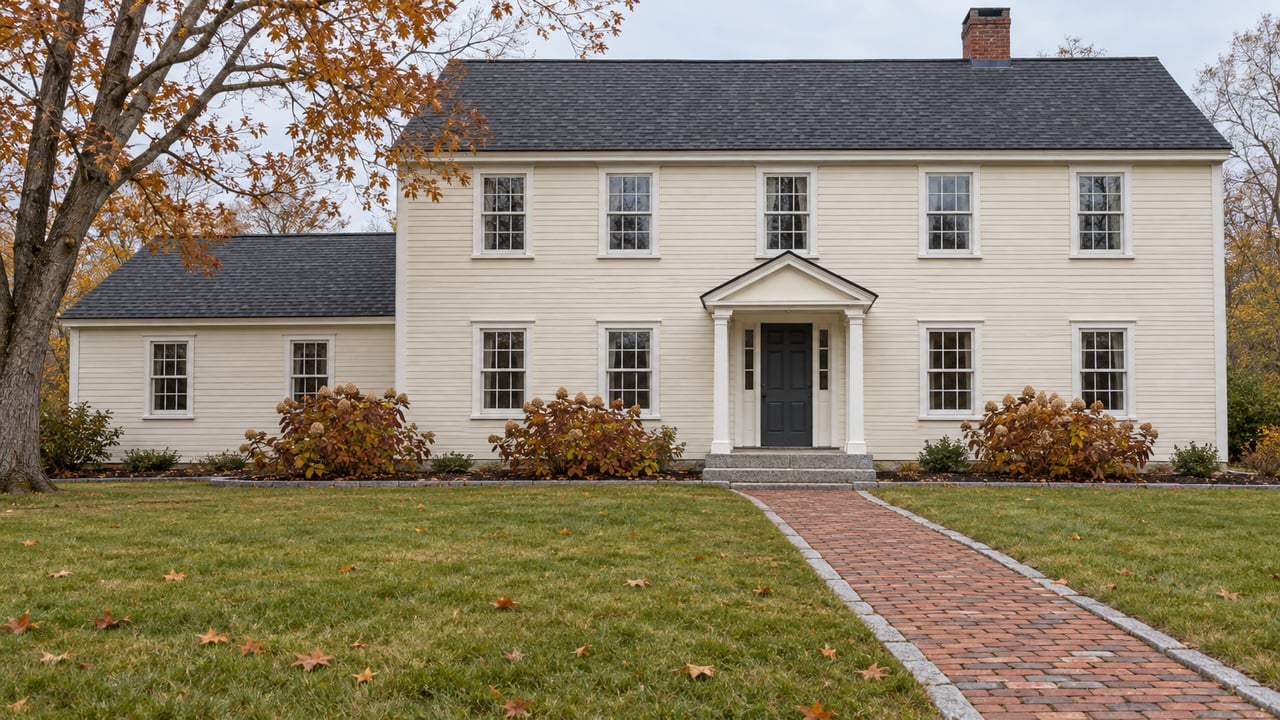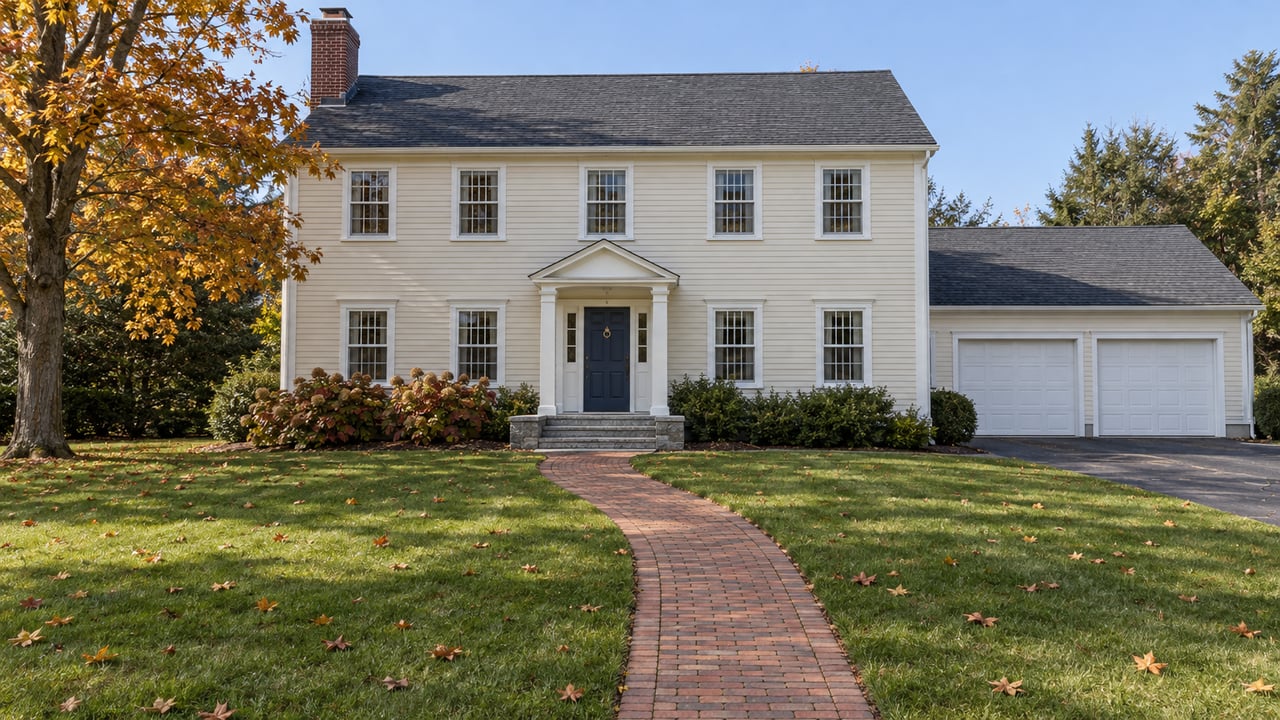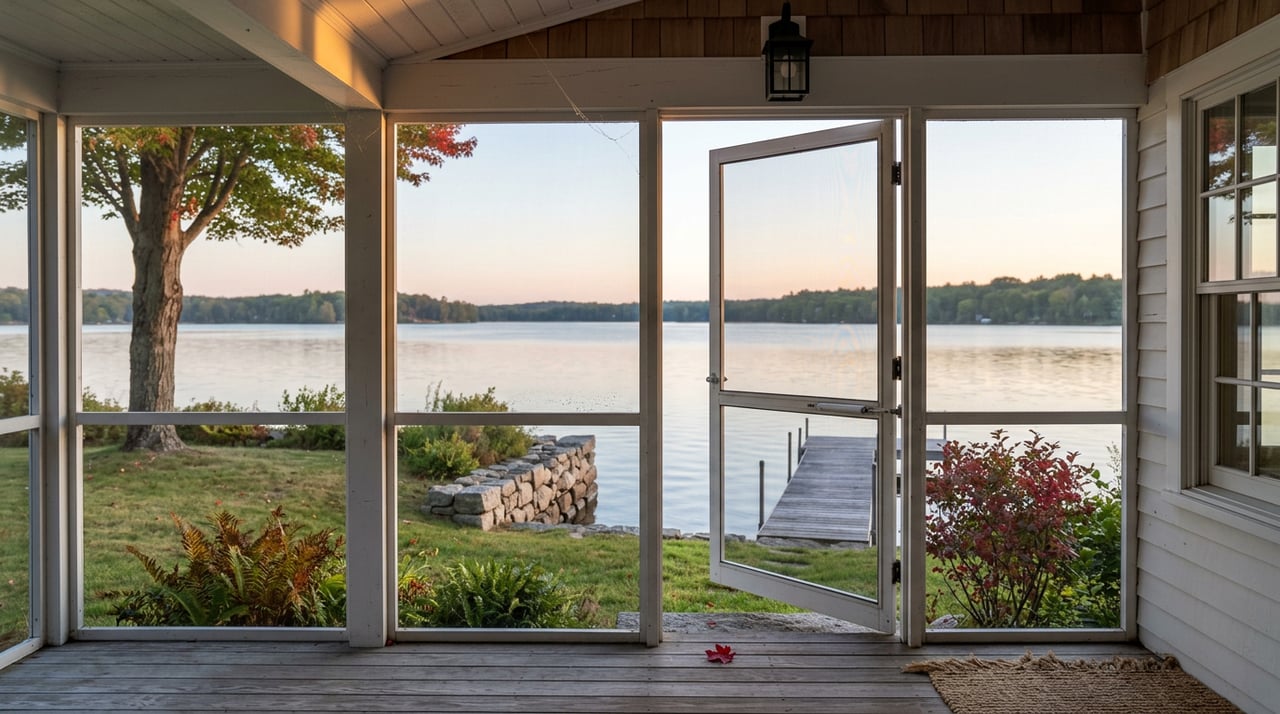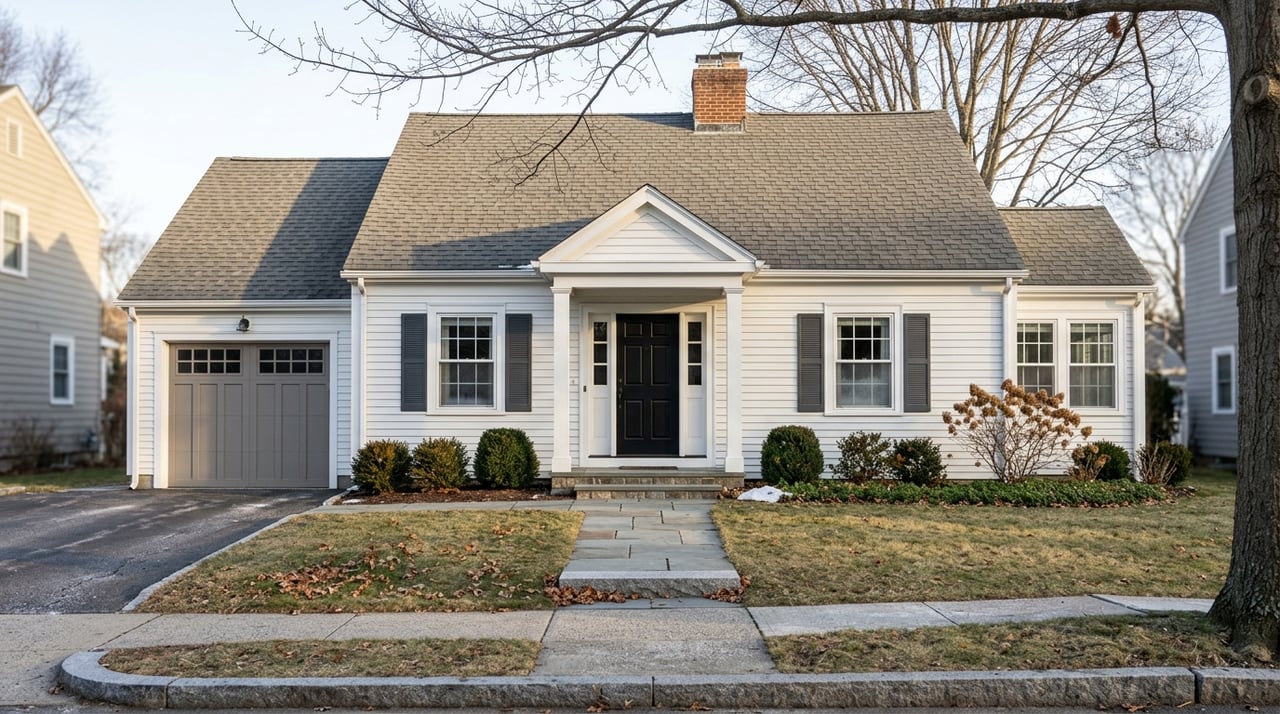
Trying to decide between a more convenient in-town address and a quieter country setting in Derry, NH? You are not alone. Many buyers want the right mix of daily convenience, privacy, yard space, and commute practicality, and in Derry, that choice can look very different depending on where you focus your search. This guide breaks down how in-town and country living compare, using Derry’s zoning, recreation layout, and commuting patterns to help you narrow in on the best fit. Let’s dive in.
How Derry Shapes In-Town and Country Living
One of the clearest ways to compare living styles in Derry is through the town’s residential zoning districts. While zoning does not dictate one specific home style, it does provide a useful public guide to lot size, frontage, and overall density.
In general, Derry’s residential districts move from smaller, utility-served lots toward larger-acreage properties as you move outward. That creates a practical difference in how an area feels day to day, from more neighborhood-oriented living closer to town services to more open, detached settings on the edges of town.
In-Town Living in Derry
For many buyers, “in-town” living in Derry means being closer to the town center, main roads, and everyday services. These areas tend to offer smaller lots, easier access to parks and libraries, and shorter local drives.
That does not mean every in-town property is small or tightly packed. It means the pattern is generally more connected and neighborhood-scale than what you will find in the outer acreage districts.
Smaller Lots and Utility Access
In Derry’s MFR and MHDR districts, single-family detached and two-family homes can be built on lots as small as 10,000 square feet per dwelling unit when both municipal water and sewer are available. That increases to 15,000 square feet when served by one utility, or 1 acre with a community water system.
These districts may also allow multi-family dwellings and accessory apartments. As a result, they can feel more mixed in character than areas made up only of detached homes on large lots.
Convenience for Daily Routines
If your priority is cutting down on errands and keeping daily routines simpler, in-town Derry may have strong appeal. The town highlights a range of public amenities, including parks, two public libraries, beaches with boat launches and concession stands, three golf courses, a dog park, and several walking trails.
Some of the most central recreation spots include MacGregor Park next to the Derry Public Library, Don Ball Park off By-Pass 28, and Hood Park with biking and trails. If you like having community amenities closer at hand, this side of Derry often lines up well with that lifestyle.
What School Access Looks Like
School access in Derry is spread across town rather than concentrated in one central pocket. Derry Village Elementary is on South Main Street and By-Pass 28, East Derry Memorial is in East Derry, Grinnell and Hood are closer to the East Broadway area, and South Range is off Rockingham Road.
That means an in-town address may shorten some school runs, but the exact location still matters. If school-day logistics are important to you, it helps to compare a home’s position with the routes you expect to drive most often.
Country Living in Derry
If you picture more land, more tree cover, and more space between homes, Derry’s outer residential areas are where that country feel becomes more visible. This is where zoning shifts toward larger lots and wider frontage requirements.
For buyers who want privacy and breathing room, these areas often offer a very different experience from the more neighborhood-oriented parts of town. The tradeoff is usually a longer drive to services, schools, or commuter connections.
Larger Lots and More Separation
Derry’s MDR district requires a 1-acre minimum lot area for single-family detached homes in conventional subdivisions, with 125-foot frontage and width, or larger where soils-based lot-size rules apply. As you move farther out, LMDR requires 2 acres with 150-foot frontage and width, while LDR requires 3 acres with 200-foot frontage and width.
Those standards matter because they shape how the land feels around you. In practical terms, larger lots and wider frontage often mean more buffer from neighbors, more room for trees, and more flexibility for buyers who value open space.
A Stronger Connection to Woods and Trails
Country living in Derry is not just about lot size. It is also tied to the town’s conservation and recreation pattern.
Derry’s conservation resources include town conservation lands, the Rail Trail from Derry to Windham, and Weber Town Forest in southeast Derry. Weber Town Forest spans 275 acres and includes mixed hard and softwoods, woods roads, wetlands, and ponds, with public uses such as hiking, cross-country skiing, camping, hunting, and fishing.
If easy access to wooded trails and natural surroundings is part of your ideal lifestyle, the eastern and southern edge areas of Derry may stand out. For many buyers, that natural setting is one of the biggest reasons to choose a country property.
The Commute Tradeoff
Derry’s location works well for car-based commuting. The town describes itself as being at the crossroads of Route 28 and Route 102, with Interstate 93 seconds away, and says Boston is less than 45 minutes away while Nashua, Manchester, and Concord are within roughly 10 to 30 miles.
For many buyers, that regional access is a major plus. Still, where you live within Derry can noticeably affect the feel of your routine.
In-Town Drives Versus Edge-of-Town Drives
The real lifestyle difference is often not public transit versus no transit. In Derry, it is more often a choice between shorter local drives from an in-town home and a longer last-mile drive from a more wooded edge property before you reach the main roads.
If you expect to be in and out frequently for work, errands, or activities, that extra driving time may matter more than you think. On the other hand, if privacy and space are your top priorities, you may decide the added drive is worth it.
Park-and-Ride Access
For Boston-bound commuters, the current bus pattern is centered on park-and-ride use. Boston Express serves the North Londonderry terminal at 4 Symmes Drive, Exit 5, with service to Boston South Station and Logan Airport, and the location offers free parking.
Concord Coach Lines also identifies the same 4 Symmes Drive, Exit 5 terminal as a free commuter-oriented park-and-ride. If this is part of your commute plan, your Derry location can influence how easy it feels to get out the door each morning.
Which Lifestyle Fits You Best?
There is no one-size-fits-all answer in Derry. The better choice depends on how you want your home to support your everyday life.
If you value convenience, community amenities, and less land to maintain, an in-town location may be the stronger fit. If you care more about privacy, acreage, and a natural buffer, the country side of Derry may better match your goals.
In-Town Derry May Be Best If You Want:
- Smaller lots with less exterior upkeep
- Closer access to parks, libraries, and town amenities
- Shorter local drives for errands and activities
- Easier access to main roads and commuter routes
Country Derry May Be Best If You Want:
- One acre or more, with stronger separation between homes
- More trees, open land, and room to spread out
- Closer access to conservation areas and trails
- A quieter setting with a more detached feel
A Smart Way to Compare Homes in Derry
When you tour homes in Derry, it helps to look beyond the house itself. Lot size, frontage, utility access, and road position can all shape how a property lives over time.
That is especially true if you are comparing an in-town neighborhood home with an acreage property on the edge of town. A home can check the box on style and square footage, but still feel very different once you factor in drive patterns, land maintenance, and the surrounding setting.
Rebecca Curran Realty brings a technical, detail-focused perspective to these decisions, which can be especially valuable when you are weighing land, layout, and long-term fit. If you are exploring Derry and want guidance on which type of property best matches your goals, connect with Rebecca Curran for tailored advice.
FAQs
What does in-town living in Derry, NH usually mean?
- In-town living in Derry usually refers to areas closer to the town center, main corridors, and public amenities, where residential lots are generally smaller and more utility-backed than in the outer acreage districts.
What lot sizes are common for country living in Derry, NH?
- Country-oriented areas in Derry are often found in districts with 1-acre, 2-acre, or 3-acre minimum lot sizes, depending on the zoning district and site conditions.
Is Derry, NH better for commuters who want in-town or country homes?
- That depends on your routine, but in-town homes often reduce local driving time, while country homes may require a longer drive before you reach major roads or commuter park-and-ride locations.
Are there trails and conservation areas in Derry, NH?
- Yes. Derry offers conservation lands, the Rail Trail to Windham, and Weber Town Forest, which includes woods roads, wetlands, ponds, and public uses such as hiking and cross-country skiing.
How can you choose between in-town and country living in Derry, NH?
- A good starting point is to compare your priorities for convenience, privacy, lot size, outdoor maintenance, and commute patterns, then match those needs to the parts of Derry that best support your lifestyle.