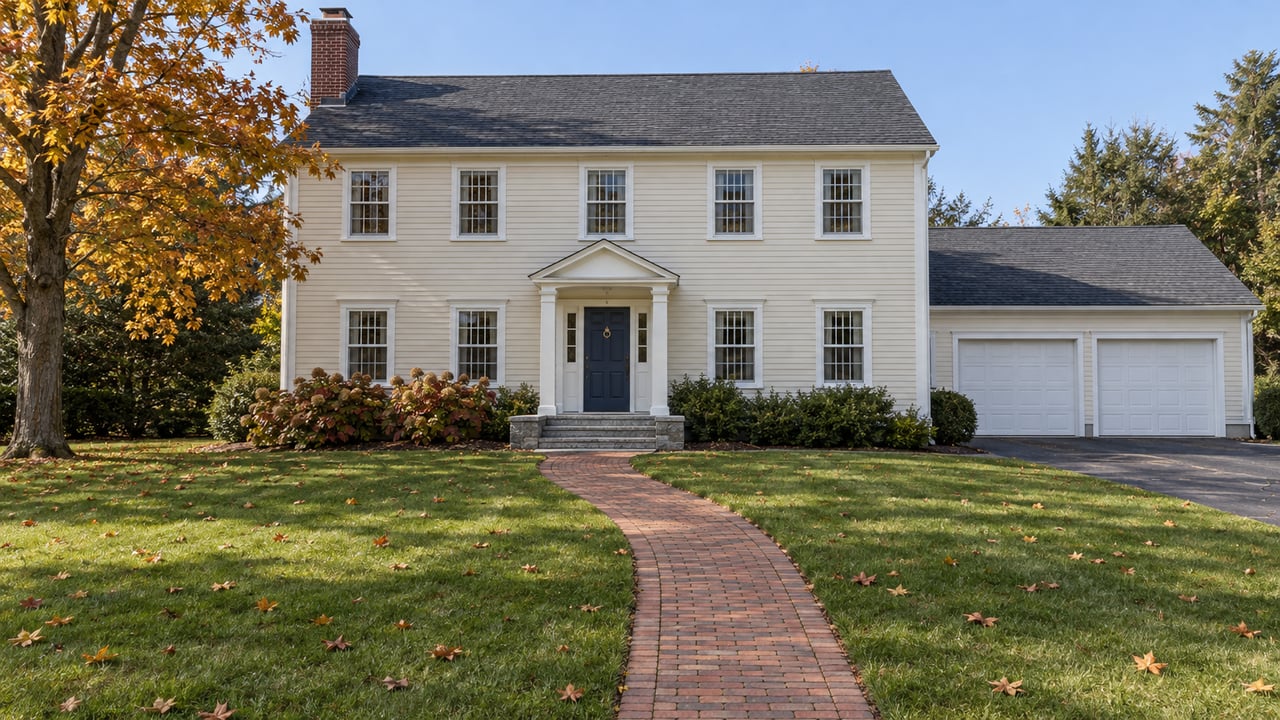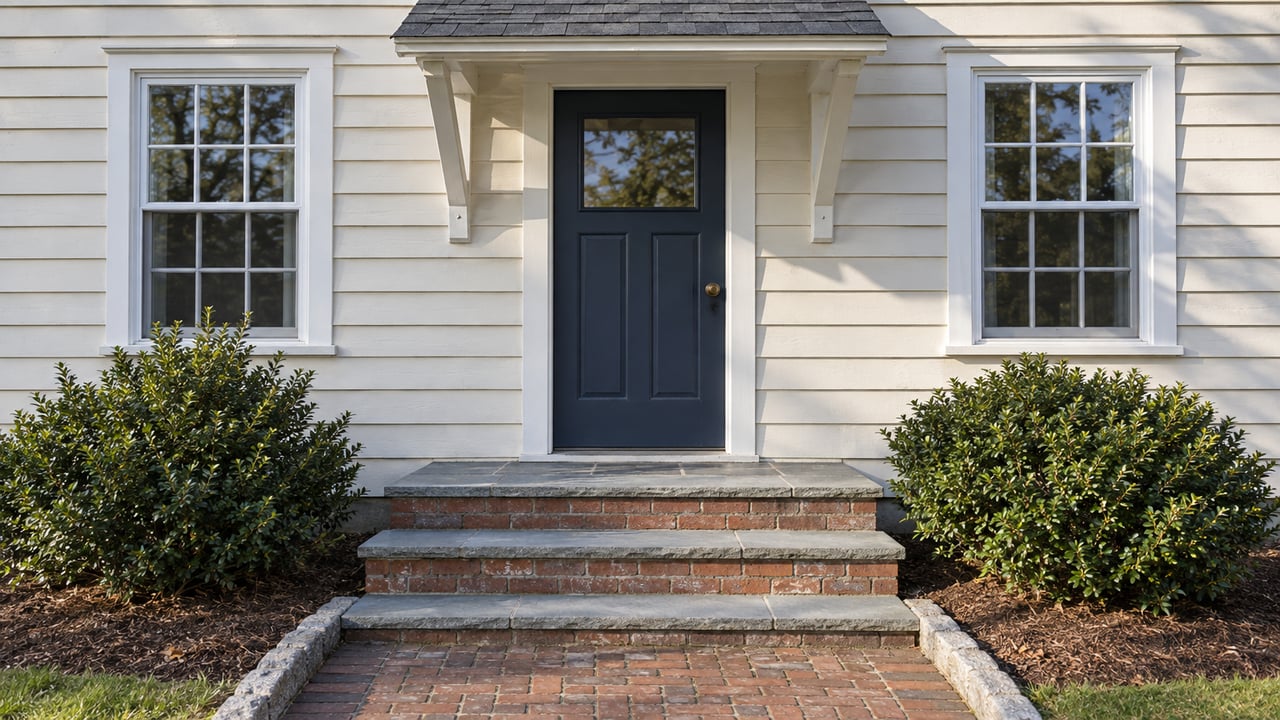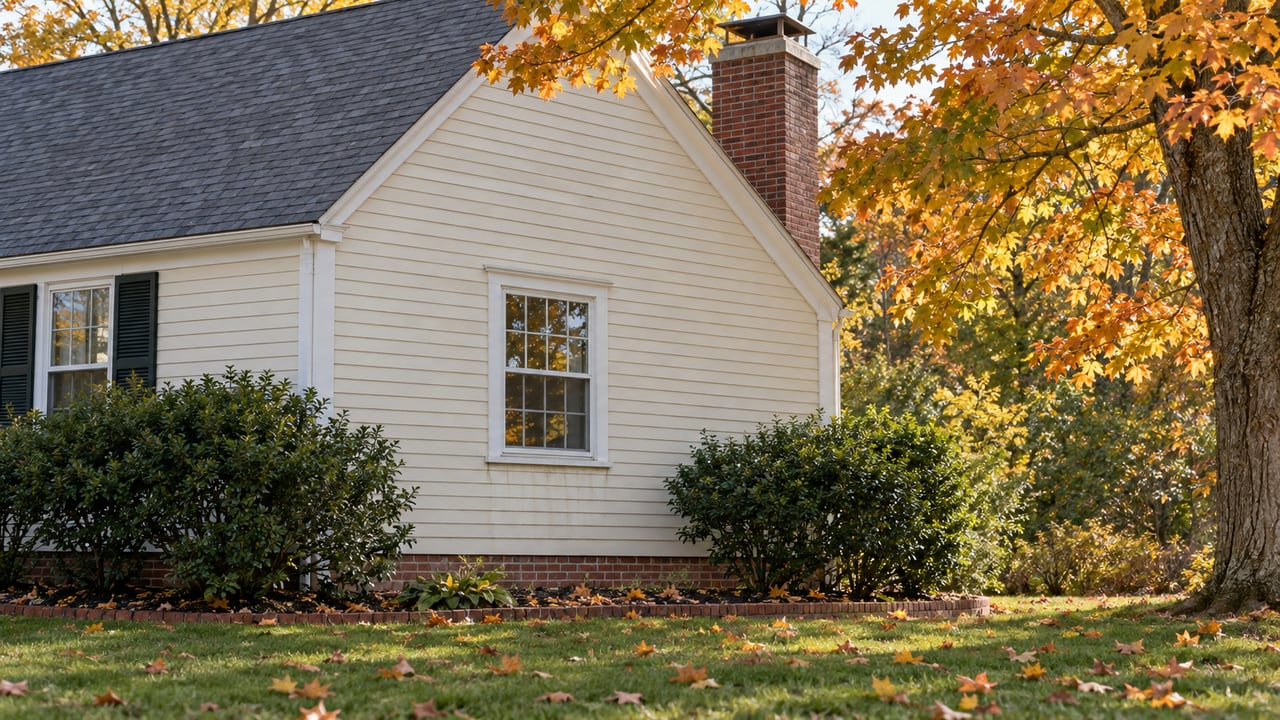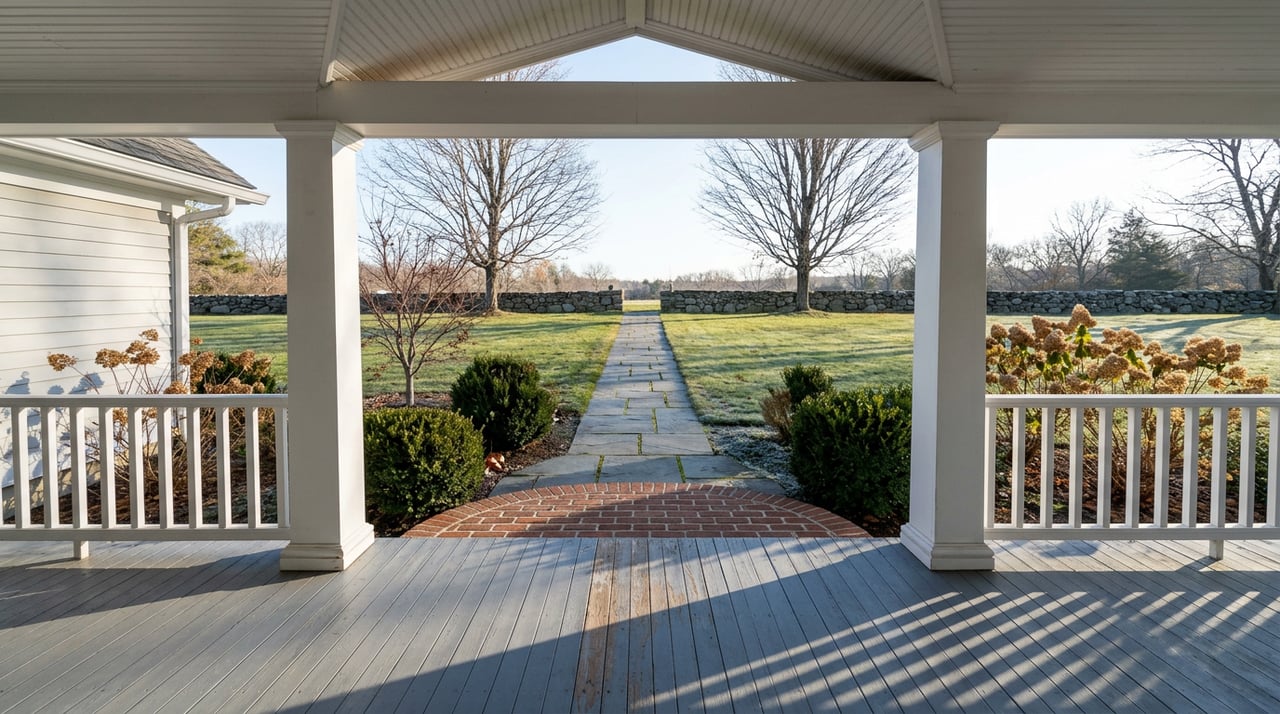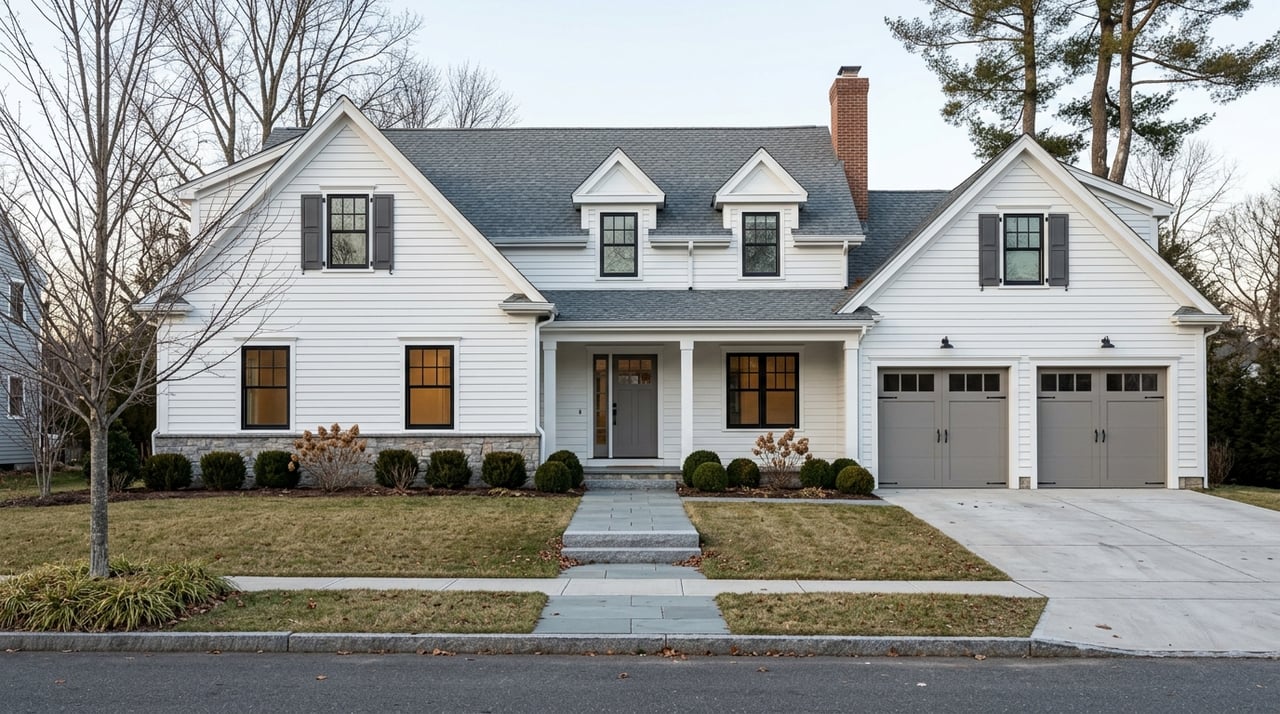
Are you drawn to the charm of an older New England home, or does the ease of a newer build sound more like your style? In North Andover, that choice is especially meaningful because the town offers both a well-preserved historic core and a growing mix of newer housing options. If you are weighing character against convenience, this guide will help you compare maintenance, location, flexibility, and resale considerations so you can make a smarter move. Let’s dive in.
North Andover Offers Both
North Andover is not a one-note housing market. Its identity is still closely tied to historic places like Old Center, the North Parish Church area, the Parson Barnard House, the Stevens Coolidge House, the Stevens Estate at Osgood Hill, the Brick Store, and the Town Common.
That historic foundation matters because it shapes how many homes feel and function. At the same time, North Andover is also planning for more multifamily housing and newer attached-home options in selected redevelopment areas, which gives buyers a very different path if they want lower-maintenance living.
The housing mix supports that contrast. North Andover has 12,115 housing units, with about 70% owner-occupied and 65% single-unit homes, and about 17% of homes were built before 1939. In other words, this is a town with real older housing stock, not just a few isolated antique homes.
Why Historic Homes Appeal
Historic homes in North Andover often attract buyers who want more than square footage. In areas like Old Center, the appeal includes preserved street patterns, mature landscaping, and a strong sense of place that newer subdivisions usually cannot replicate.
For many buyers, that value is emotional as much as practical. You may be choosing original architectural detail, a more established setting, and a home that feels connected to the town’s long history.
There is also a public commitment to preservation in North Andover. The town has used Community Preservation Act funds for work at places like the Stevens Estate, Town Common, Old Burying Ground, and Machine Shop Village, which shows that historic preservation is part of local policy, not just private preference.
Old Center Has Added Review
If you are considering a home in the historic core, you should know that exterior work may involve more review than it would elsewhere. North Andover has an Old Center Historic District Commission, and some exterior changes require a Certificate of Appropriateness.
That does not mean you cannot update a home. It does mean your renovation plans, materials, and timing may need more coordination than they would in a typical newer neighborhood.
The Real Tradeoffs of Historic Charm
Older homes can be rewarding, but they usually require a different mindset. If you buy a historic or older property, you should expect more ongoing projects and a less predictable maintenance budget.
The Census Bureau found that among owners of homes built before 1950, 61% started a home-improvement project between 2019 and 2021. Median upkeep for older homes was $1,800 per year, and new owners of older homes spent a median of $3,900 per year compared with $1,500 for longtime owners.
That gap matters. When you first take ownership of an older home, you may be catching up on deferred maintenance, modernizing systems, or addressing issues that did not show up in a quick walk-through.
Common Projects in Older Homes
Typical work in older homes can include:
- Plumbing fixtures
- Flooring or drywall repairs
- Water heater replacement
- Windows and doors
- Roof work
If you love historic homes, the goal is not to avoid them. The goal is to go in with clear expectations about upkeep, cash reserves, and project planning.
Why New Builds Attract Buyers
Newer homes and townhomes speak to a different set of priorities. If you want efficiency, more predictable performance, and fewer immediate repair projects, a newer property may feel like the simpler choice.
One of the clearest advantages is energy performance. Certified efficient new homes are built to rigorous performance criteria and verified by a third party, and ENERGY STAR residential new-construction standards also use strict energy-efficiency requirements.
For you as a buyer, that can translate into a more consistent comfort level and fewer early surprises. While no home is maintenance-free, newer construction generally offers a more straightforward starting point.
North Andover’s Newer Housing Pattern
In North Andover, newer product appears more often in attached homes, condo communities, and redevelopment-oriented locations rather than in the historic core. Town planning materials tied to MBTA Communities zoning show the town preparing for more multifamily housing, with focus areas including 1600 Osgood Street at Osgood Landing and 350 Winthrop Street at North Andover Mall and Market Basket Plaza.
The town’s planning process also discussed accessory dwelling units and other forms of housing diversification. That points to a future where new housing growth is more likely to cluster in redevelopment corridors and commercial nodes.
For buyers, that means the choice is not only about age of home. It is also about setting, density, layout, and how much maintenance responsibility you want to take on.
Lifestyle Fit Matters Most
The best choice often comes down to how you want to live day to day. A historic home and a newer build can both be strong purchases in North Andover, but they support different routines and expectations.
If you are comparing the two, start with the questions that affect your actual life:
- Do you enjoy home projects, or do you want fewer near-term repairs?
- Do you value original character more than energy efficiency?
- Are you comfortable with added design review for exterior changes?
- Do you prefer an established historic setting or a newer community layout?
- Do you want a detached home, or would an attached townhome better fit your needs?
Those answers usually point you toward the right side of the decision faster than aesthetics alone.
Resale in a Competitive Market
North Andover’s market remains competitive, which supports demand for both housing types. In March 2026, the median sale price was $640,000, homes sold in a median of 84 days, and 30.4% sold above list price.
That kind of market can reward both well-kept historic homes and well-positioned newer townhomes. Still, presentation, condition, and pricing strategy matter.
A historic home often needs a thoughtful approach to condition and deferred maintenance before listing. A newer build may compete more on layout, finishes, and low-maintenance appeal. Either way, buyers tend to respond best when the home’s strengths are clear and the pricing reflects reality.
Why Demand Stays Broad
North Andover also benefits from the wider Merrimack Valley housing shortage. The state’s regional housing snapshot says the Merrimack Valley needs about 19,500 additional homes over the next 10 years to reach housing abundance.
That helps explain why both older character homes and newer lower-maintenance options can remain attractive. Different buyers want different things, and limited supply supports interest across multiple property types.
How To Choose With Confidence
If you are torn between historic charm and a new build in North Andover, try framing the choice around risk, lifestyle, and time horizon. Historic homes often offer stronger character and a more rooted setting, but they may require more cash planning and patience. Newer homes often offer more predictability and efficiency, but they may not deliver the same sense of place or architectural detail.
This is where a detail-focused review matters. Looking past finishes and into likely upkeep, location context, future flexibility, and resale positioning can help you avoid buying the wrong house for the right reasons.
Whether you are buying, selling, or relocating across the Massachusetts and New Hampshire line, clear guidance matters. If you want help comparing North Andover home options with a practical, market-informed lens, connect with Rebecca Curran.
FAQs
Are historic homes in North Andover more expensive to maintain?
- Usually, yes. Census Bureau data shows older homes tend to involve more home-improvement activity, and new owners of older homes reported higher annual spending than longtime owners.
Do homes in North Andover’s Old Center have renovation restrictions?
- In some cases, yes. Exterior changes in the Old Center Historic District may require review through the Certificate of Appropriateness process.
Are most new homes in North Andover large detached houses?
- Not necessarily. Recent examples and town planning materials suggest that some newer housing in North Andover is more townhome-, condo-, and multifamily-oriented, especially in redevelopment areas.
Is North Andover mostly an older housing market?
- North Andover includes meaningful older housing stock, but it is mixed. About 17% of housing units were built before 1939, and the town also has newer housing options and future multifamily planning underway.
Do new builds in North Andover offer better energy performance?
- They often can. Certified efficient new homes are built to rigorous performance criteria, and energy-efficiency programs for new construction use strict requirements and third-party verification.
Is North Andover a competitive market for both historic homes and new builds?
- Yes. Recent market data shows a competitive environment, which means both home types can attract strong buyer interest when pricing, condition, and presentation are handled well.