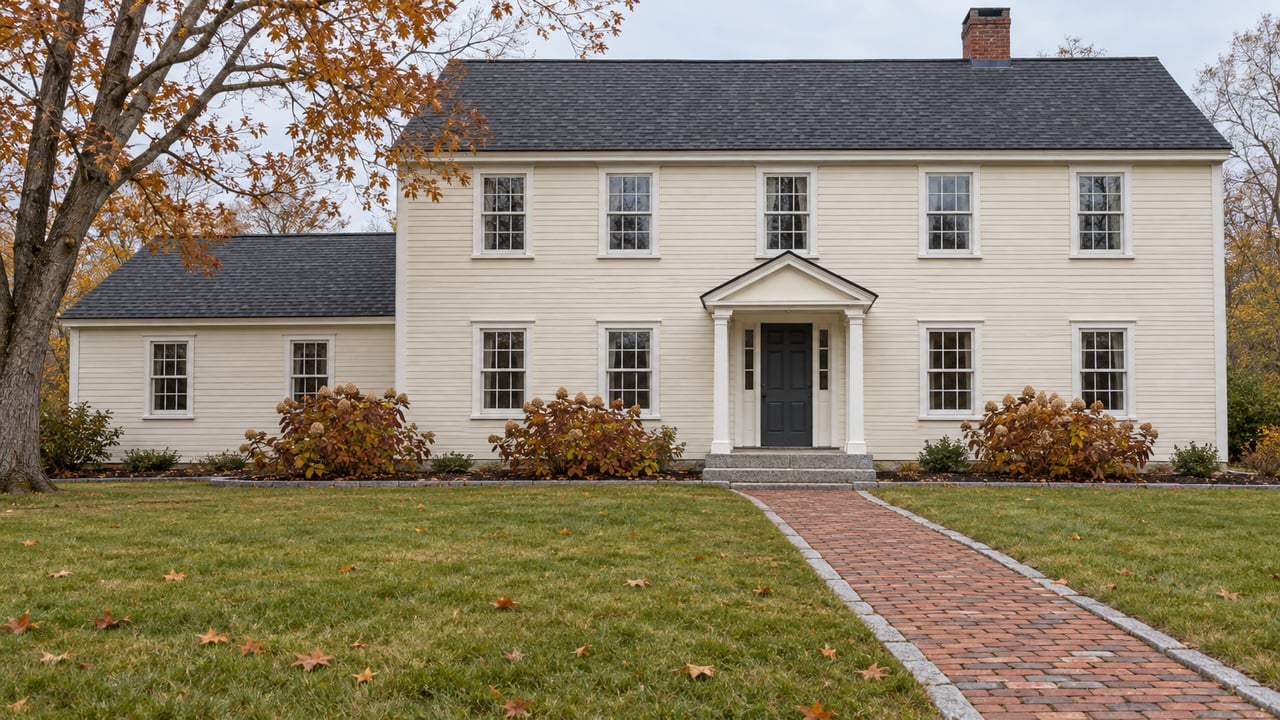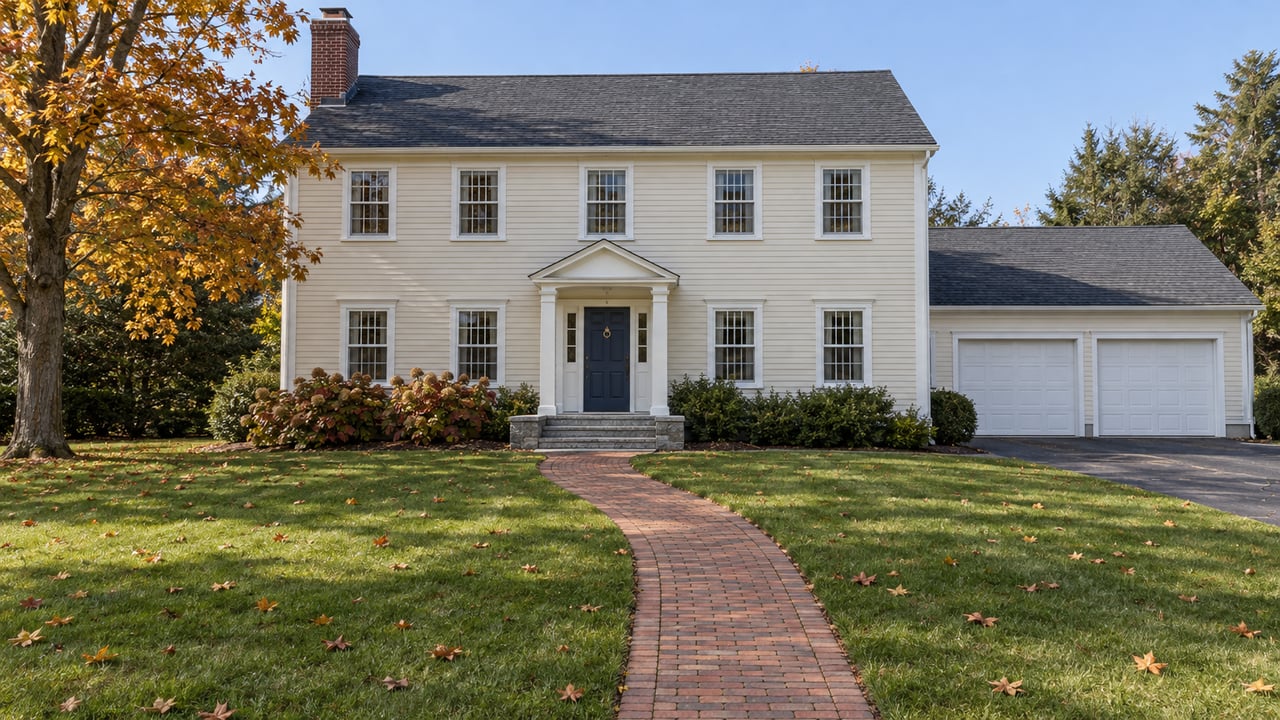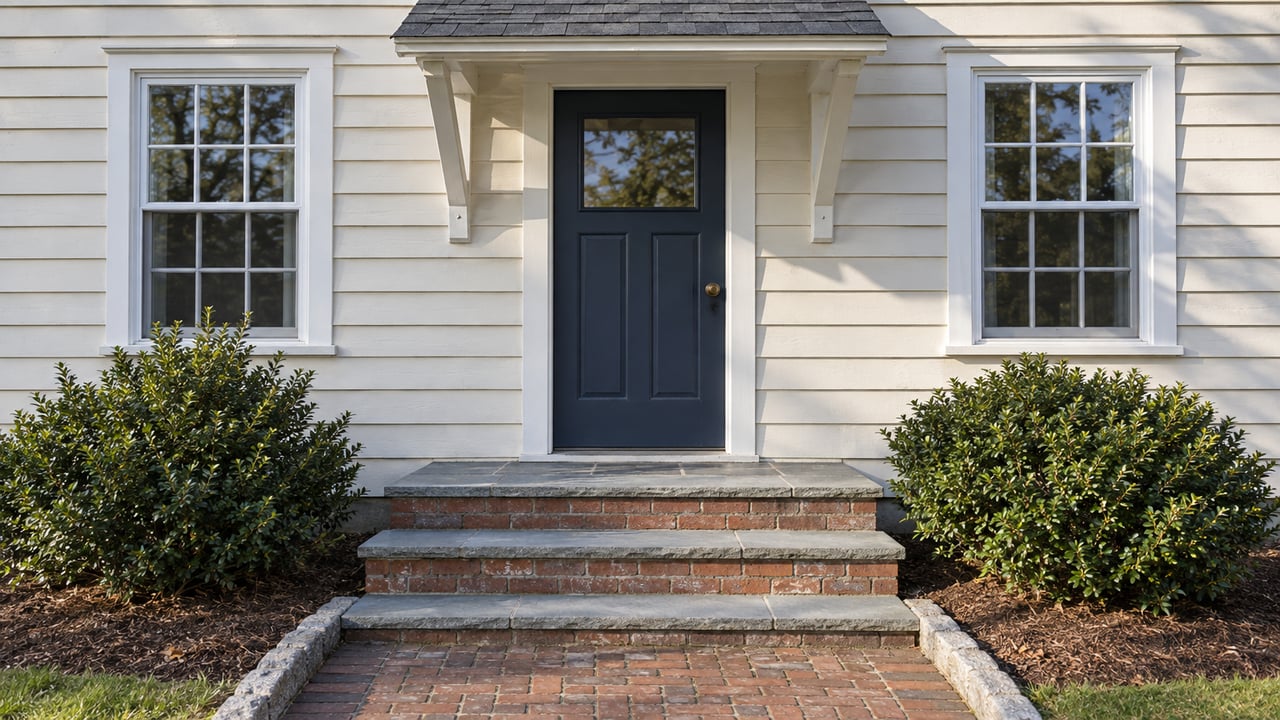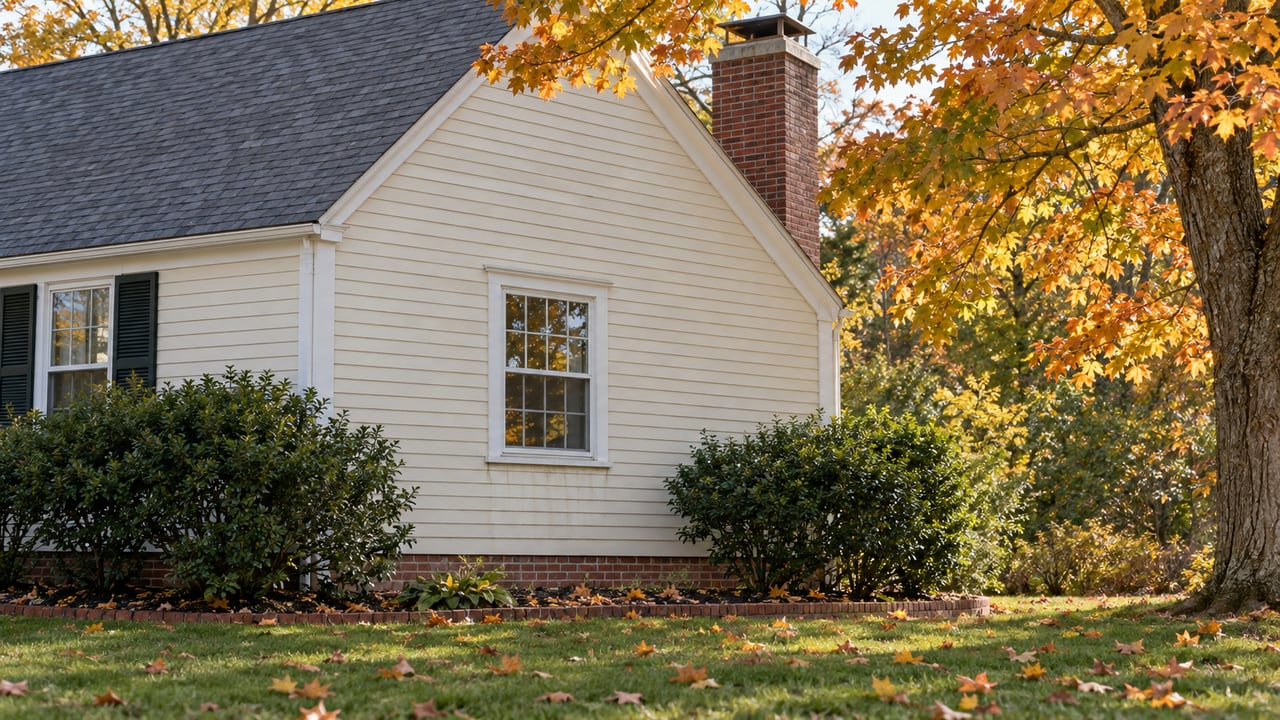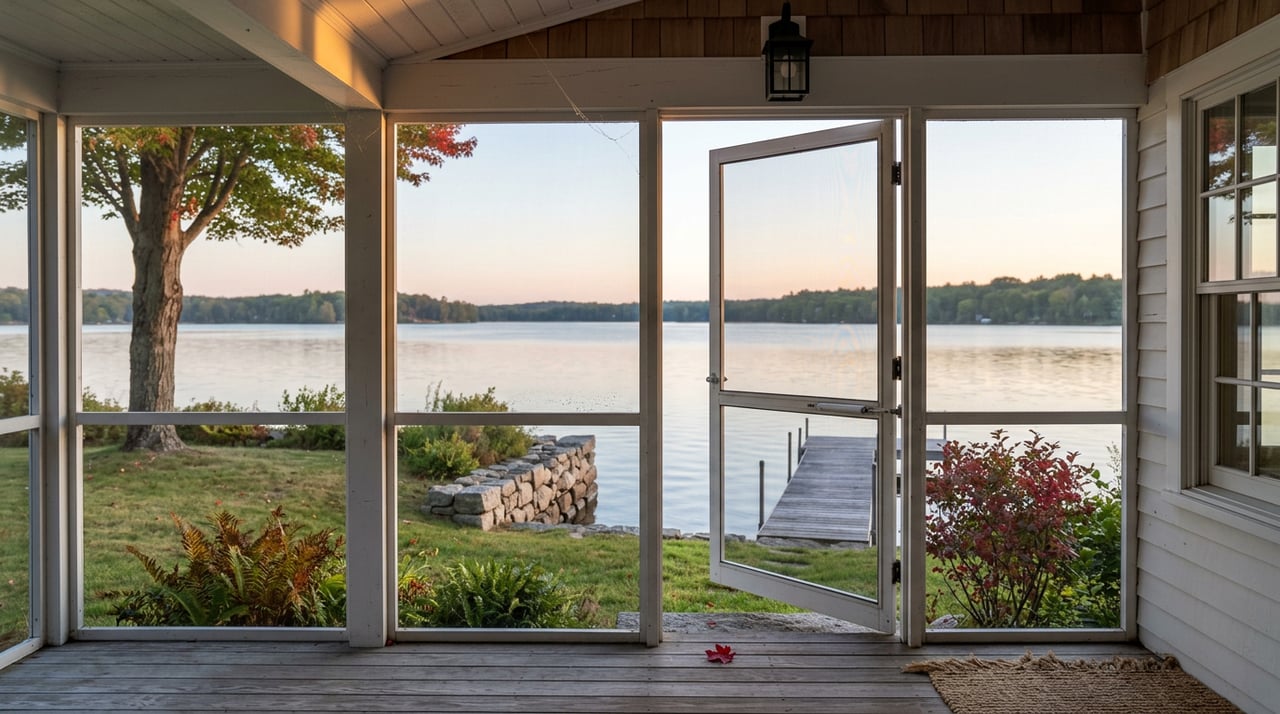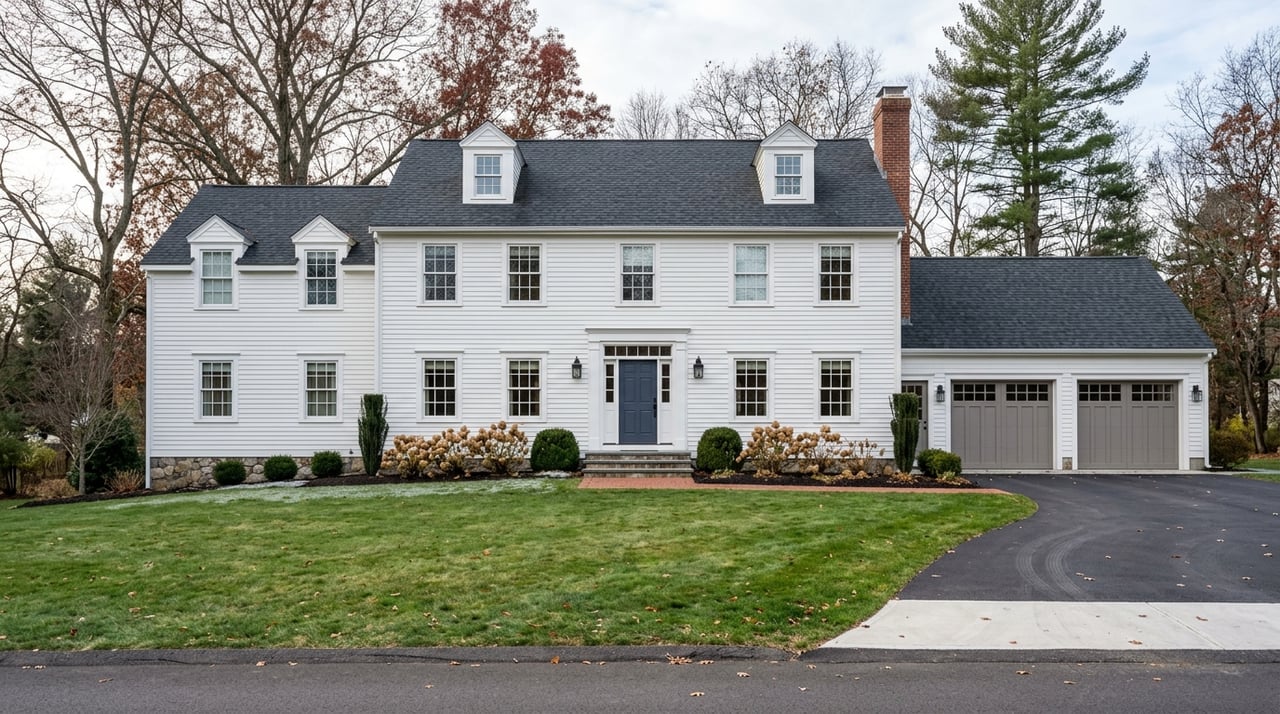
If you want room to breathe without giving up daily convenience, Hollis may be one of the most compelling places to look in southern New Hampshire. This is a town where larger lots, open land, and a quieter setting are part of the local pattern, not a rare exception. If you are considering acreage living here, it helps to understand not just the appeal, but also the practical realities that come with owning more land. Let’s dive in.
Why Hollis fits acreage living
Hollis stands out as a low-density, high-owner-occupancy community with 8,819 residents spread across 31.73 square miles. That works out to about 262.9 people per square mile, and the owner-occupied housing rate is 91.7%. In a market like that, larger lots and estate-style properties feel like a natural part of the housing landscape.
The town’s planning documents make that even clearer. Hollis has long emphasized preserving its rural character, with the 2022 master plan describing rolling hills, farms, woodlands, meadows, and home sites. That vision shapes the way the town grows and helps explain why acreage living feels so consistent with the character of the community.
About half of Hollis land is estimated to be in agricultural use, including forestry. That helps create the open-space feel many buyers are looking for when they want more privacy, more land, and a more natural setting.
What space and privacy look like
Acreage living in Hollis is not just about owning a bigger yard. It is also shaped by zoning rules that support lower-density development and wider separation between homes. In several key zones, the town requires a minimum of 2 acres per dwelling unit.
In the Residential and Agricultural District, the minimum lot size is 2 acres, with 200 feet of frontage, a 50-foot front yard, and 35-foot side and rear setbacks. In the Rural Lands Zone, the minimum lot area is also 2 acres, but the front yard depth increases to 100 feet, and there must be at least 100 feet between houses. Those standards can contribute to a stronger sense of privacy than you may find in a more conventional suburban neighborhood.
The Water Supply Conservation Zone also uses a 2-acre minimum per dwelling unit with 200 feet of frontage. Backland lots are allowed there with 4-acre minimums, which reflects another part of Hollis’ rural development pattern. A backland lot is served by a private driveway leading to a public road, and that setup can create a more tucked-away homesite.
Why zoning matters before you buy
If you are shopping for land or a home on acreage, zoning matters well beyond the lot size on paper. In Hollis, a lot is only considered buildable if it has at least 1.5 contiguous acres of acceptable land, enough room for a compliant building area, and driveway access from the frontage to that building area entirely on the lot.
That means two properties with the same advertised acreage may not offer the same practical use. Wetlands, layout, frontage, driveway access, and building envelope all affect what you can actually do with the land. For buyers considering future improvements, additions, or new construction, this is where technical review becomes especially important.
Hollis also includes open-space planned development rules meant to preserve farmland, forests, wildlife habitat, recreational land, and historic features. Overall density cannot exceed one dwelling per 2 acres, even if some individual lots within a development are smaller. This approach reinforces the town’s long-term commitment to preserving open land and rural character.
Rural character is part of daily life
Hollis offers a lifestyle that feels rural without feeling cut off. The town has a defined regional road network that includes Routes 111 and 111A, 130, 122, and 101A, along with Broad Street and Depot Road. The Census Bureau reports a mean commute time of 27.2 minutes, which supports the idea that Hollis works well for people balancing privacy at home with regular travel for work and daily routines.
That blend is one of Hollis’ biggest strengths. You can enjoy a more spacious setting while still staying connected to surrounding employment centers, shopping, and services across southern New Hampshire.
The zoning rules also show that Hollis is not a one-style town. The town includes village homes, farm-related properties, open-space developments, and homes on larger private parcels. For buyers, that means acreage living here can take several forms rather than fitting one fixed template.
The tradeoff: more land, more responsibility
The appeal of acreage is easy to understand. You get more separation, more outdoor space, and often a stronger connection to the landscape around you. In Hollis, that can mean broad lawns, wooded edges, long driveways, and a setting shaped by farms, meadows, and mature trees.
But more land also means more to manage. Hollis publishes septic design checklists, septic procedures, driveway permit information, and stormwater guidance because these issues are a routine part of property ownership in town. If you are used to a smaller suburban lot with municipal-style conveniences, acreage living may require a different mindset.
Stormwater management, septic maintenance, and driveway upkeep are not side details here. They are part of the ownership experience. The town also points residents toward practices like water-friendly lawn care, rain gardens, septic maintenance, and watershed protection, which reflects how closely land use and environmental stewardship are connected in Hollis.
Possibility beyond a typical suburban lot
One reason acreage living in Hollis attracts a wide range of buyers is that the land can support more than simple square footage. Depending on zoning and approvals, the town’s ordinance accommodates uses that go beyond the standard suburban setup, including farms, stables, and riding academies in some districts.
The ordinance also allows home-based businesses by special exception in several rural zones. That does not mean every property will support every use, but it does mean Hollis preserves some flexibility that is often harder to find in more densely developed communities.
For development-minded buyers, this creates a different kind of opportunity. The value of a property may come not only from the home itself, but also from site layout, land features, and how the parcel fits within local zoning rules. That is where careful due diligence can make a major difference.
Historic and scenic considerations
Hollis also protects parts of its visual and historic character in specific ways. The town has a formal Historic District established in 1971, and the Town Center zone within that district allows a mix of residential and farm-related uses, including single-family homes, two-family dwellings, pre-1952 conversions, farms, farm stands, stables, condominiums, retirement community uses, and accessory dwelling units.
Several roads in Hollis are designated scenic roads, and the zoning ordinance applies a 100-foot front setback on scenic roads. That is another sign that streetscape preservation matters locally. If you are evaluating a property on one of these roads, that context may affect how the lot feels and how future changes are approached.
Schools and routines in Hollis
For households planning around school logistics, Hollis is served by the Hollis School District for Hollis Primary School and Hollis Upper Elementary School. Students then continue within SAU 41’s cooperative district to Hollis Brookline Middle School and Hollis Brookline High School.
For many buyers, the practical takeaway is simple. Hollis supports a day-to-day routine that includes school drop-offs, commuting, and errands while still maintaining the feel of a lower-density town. That balance is a key part of why acreage living here can feel both peaceful and workable.
A quick look at buyer fit
Acreage living in Hollis tends to work best when you want privacy and possibility, but also understand the responsibility that comes with land. It can be a strong match if you value:
- More distance between homes
- Room for outdoor living or land-based uses permitted by zoning
- A setting shaped by farms, woods, and open space
- A community that actively protects rural character
- Regional road access for commuting and everyday routines
It may require more thought if you prefer lower-maintenance living or want a property with fewer site-related responsibilities. In Hollis, the tradeoff is usually clear: more space often comes with more systems, more land care, and more attention to site conditions.
Why local guidance matters
When you buy or sell acreage property, the details matter more than they do on a standard in-town lot. Frontage, setbacks, septic considerations, driveway access, wetlands, and development potential can all shape a property’s value and usability.
That is why working with someone who understands both the market and the physical characteristics of land can be so valuable. Rebecca Curran Realty brings a detail-focused approach to southern New Hampshire real estate, including experience with acreage, development-minded property analysis, and higher-value homes where land is a meaningful part of the story.
If you are considering a move to Hollis or preparing to sell a property with land, the best next step is a conversation grounded in facts, not guesswork. Connect with Rebecca Curran to talk through your goals and what acreage living in Hollis could look like for you.
FAQs
What does acreage living in Hollis, NH usually mean?
- In Hollis, acreage living often means homes on larger parcels in a low-density setting where 2-acre minimum lots are common in several zoning districts.
How do Hollis, NH zoning rules affect privacy?
- Hollis zoning supports lower-density development through 2-acre lot minimums, large setbacks, and in some areas at least 100 feet between houses.
Are all acreage lots in Hollis, NH buildable?
- No. A lot must meet specific standards, including at least 1.5 contiguous acres of acceptable land, a compliant building area, and driveway access entirely on the lot.
What property responsibilities come with acreage in Hollis, NH?
- Common responsibilities include septic maintenance, driveway upkeep, stormwater management, and general land maintenance.
Is Hollis, NH rural or suburban?
- Hollis is best described as rural-suburban living, with open land and rural character combined with a regional road network and a reported mean commute time of 27.2 minutes.
What types of properties can you find in Hollis, NH?
- Hollis includes a mix of village homes, farm-related properties, open-space developments, and homes on larger private parcels.