Are you ready to trade your Pelham home for more space, a newer build, or a different neighborhood but unsure if now is the right time? You are not alone. Many local owners are weighing today’s prices, shifting mortgage rates, and limited inventory. In this guide, you will learn how to read Pelham’s market signals, choose the best sell and buy sequence, prepare your home to stand out, and avoid common NH disclosure hiccups. Let’s dive in.
What Pelham’s numbers say now
Pelham remains a higher-priced corner of southern New Hampshire, and recent snapshots show a market that still favors well-prepared listings. Platform estimates differ a bit. Realtor.com often shows a Pelham median in the high 600s to mid 700s, while Zillow’s ZHVI sits somewhat lower. That is normal because list-price snapshots and modeled indices look at different data windows. For pricing your home, your most reliable source is recent closed comps in the MLS for your specific price band and micro‑neighborhood.
Recent days on market are measured in weeks, not days, which suggests steady but selective demand. The takeaway is simple. If you price correctly and present well, you can still attract strong offers. If you overshoot the market, buyers will make you wait.
Which price metric matters
- Median list price shows where sellers are aiming.
- Median sale price and price per square foot show where deals actually close.
- Modeled indices like ZHVI smooth out noise and track trends.
For move‑up sellers, the most important data is the last 30 to 90 days of closed comps that match your square footage, lot size, and features. Ask your agent for a CMA that filters to your exact tier.
Inventory by price tier
Overall months of supply tells you who holds leverage. Fewer than about 5 to 6 months often favors sellers, 5 to 7 is balanced, and more than 7 leans to buyers. What really matters is months of supply for your price tier and target features, not just the townwide average. If four‑bedroom newer Colonials have only a few weeks of inventory, you may list with confidence and still find tight options when you buy. See a plain‑English definition of months of supply here.
Mortgage rates and buyer depth
When 30‑year rates drop, more buyers can afford your home and can stretch for your next one. The national average fell below 6% in late February 2026, according to Freddie Mac’s weekly PMMS, which boosted purchasing power compared with late 2024 and 2025. Before you list, ask a local lender for a fresh pre‑approval and a payment comparison so you know exactly how today’s rate shapes your move‑up budget.
Is it time to list? A Pelham checklist
- Estimate your equity. Compare your current payoff to a CMA anchored to recent closed sales that match your home’s features.
- Scan active and pending listings in 03076 and nearby towns you would consider next. Focus on your exact price band and size.
- Check buyer financing mix. Ask your agent and lender whether buyers are using conforming loans, jumbo, or cash. That affects negotiation.
- Review pace indicators. Look at days on market and sale‑to‑list ratios for comps that mirror your home.
Quick decision rules
Use these as starting points with your agent’s MLS data:
- Months of supply under about 4 and sale‑to‑list near 99% to 101%: strong seller leverage. A well‑priced, polished listing often gets strong offers.
- Months of supply around 5 to 7 with rising DOM: balanced. Precision pricing and standout presentation matter more than timing.
- Months of supply above 7 with frequent reductions: buyer‑tilted. Consider selective improvements, sharper pricing, or more careful timing.
These are general thresholds. Have your agent pull the 30, 60, and 90‑day view for your specific tier.
How to sequence your sell and buy
Sell first: reduce risk, manage timing
Selling first can simplify financing since you avoid carrying two mortgages. You may need temporary housing and tight coordination to shop for the next home. If your target tier has very low inventory, lining up the next property can be the hardest step.
Buy first: options and tradeoffs
Buying first secures your next home and can spare your family a double move. You will need access to equity or short‑term financing such as a HELOC or bridge loan. These solutions can carry higher fees and shorter timelines than standard mortgages. Ask your lender to model best and worst cases, including what happens if your sale takes longer than expected.
Contingencies and rent‑backs
A home‑sale contingency protects you if your current home does not sell, but it can be less competitive in tight tiers. A post‑closing rent‑back can give you extra days to move, as long as the agreement is clear on rent amount, insurance, and responsibilities.
iBuyer and trade‑in programs
Some companies offer cash‑backed trade‑in or buy‑before‑you‑sell services. Fees vary widely and often range from the low single digits up to several percent of the sale price. Have your agent build a side‑by‑side net sheet that compares a traditional listing to any program offer so you can see the real cost of certainty.
Prepare your Pelham home to stand out
Presentation and staging
Staging helps buyers imagine living in your home and can shorten time on market. In a national survey, 48% of sellers’ agents reported that staging reduced time on market. Focus on the living room, primary bedroom, and kitchen if you have to prioritize. See the National Association of REALTORS guidance on staging here.
Small updates, big impact
- Deep clean and declutter.
- Neutral paint where needed.
- Upgrade lighting and hardware in kitchens and baths.
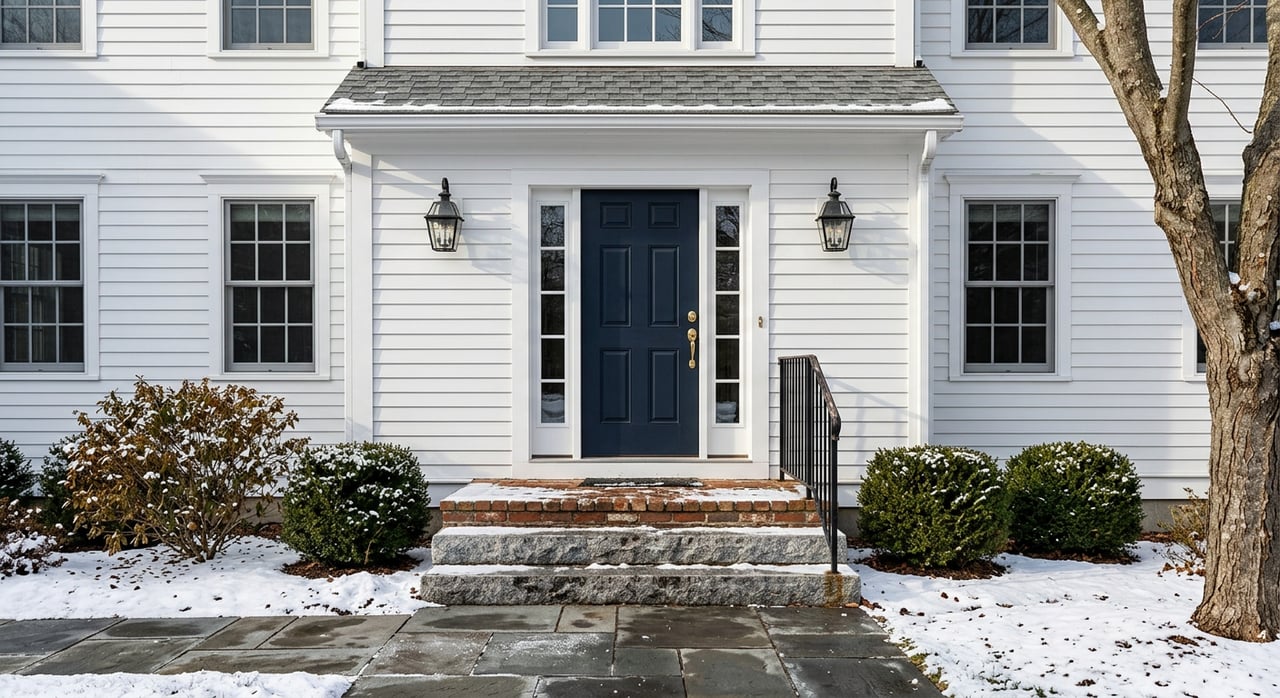
- Boost curb appeal with fresh mulch, edged beds, and tidy entryways.
These updates tend to deliver a strong return for move‑up price bands. Do not over‑improve beyond what nearby comps support.
Pre‑listing checks: wells and septic
In New Hampshire, private wells and septic systems often receive extra scrutiny from buyers and some lenders. A recent change to waterfront septic rules adjusted responsibilities, so documentation is important. Review the NHAR summary of waterfront septic law changes and consider a pre‑listing well water test and septic evaluation if your systems are older.
Pricing for the first‑week effect
The first one to two weeks on market are your best window to capture maximum interest. Use your agent’s MLS stats to set a price that invites your target buyer pool. Agree on an early check‑in to adjust if traffic is off pace.
Legal and cost items for NH sellers
Required NH notifications
New Hampshire requires sellers to provide notifications related to radon, arsenic, and lead paint. Recent state action added PFAS notification requirements prior to executing a purchase and sale agreement. Review the statute overview for seller notifications in RSA 477 and this practical PFAS law summary with your agent or attorney.
Septic and well documentation
Even when not required by law, many lenders and loan programs want septic and water testing. Getting your records organized and considering pre‑listing checks can reduce surprises. Reference the NHAR guidance on waterfront septic changes if you are near water.
What it costs to sell in NH
Commission is the largest line and is negotiated in your listing agreement. You will also see title fees, recording fees, prorations, and any negotiated credits. Industry summaries put total selling costs, including commission, in the single‑digit to low double‑digit percent of the sale price, with variation by choices and concessions. For a grounded overview, see this typical seller cost summary. Ask your agent for a custom net sheet.
Capital gains basics
If your Pelham home has been your primary residence for at least two of the last five years, you may exclude up to $250,000 of gain, or up to $500,000 if married filing jointly. Review the rules and exceptions in IRS Publication 523, and consult your tax advisor for your specific situation.
Local contacts and timelines
Check town tax and assessing questions, permits, and contacts on the Town of Pelham FAQ page. A typical move‑up timeline looks like this:
- Weeks 0 to 4: agent selection, CMA, prep, photography, staging.
- Weeks 2 to 8 after listing: showings, offers, negotiations.
- 30 to 45 days after offer: inspections, appraisal, closing.
Your pace can be faster or slower based on your price tier and the season.
Moving up in or around Pelham can be smooth and strategic when you read the market by tier, prepare precisely, and plan your sell and buy sequence. If you want a tailored plan for Pelham, Hudson, Windham, Salem, or a cross‑border NH and MA move, reach out. Schedule a strategy session with Rebecca Curran to review your comps, options, and next steps, and get your Instant Home Valuation.
FAQs
What should a Pelham move‑up seller know about 2026 mortgage rates?
- Rates dipped below 6% in late February 2026 per Freddie Mac PMMS, which can expand buyer budgets and improve affordability for your next purchase.
How do Pelham list price and sale price differ for pricing my home?
- List price reflects seller expectations, while sale price shows where deals close; use a 30 to 90‑day MLS comp set that matches your home’s features to price with confidence.
What is months of supply and why does it matter in Pelham?
- Months of supply estimates how long current inventory would take to sell; under about 5 to 6 often favors sellers, 5 to 7 is balanced, and over 7 favors buyers, with tier‑by‑tier variation explained here.
Which NH disclosures apply when selling a Pelham home?
- You must provide notifications for radon, arsenic, and lead, and recent changes require PFAS notification prior to a purchase and sale; see RSA 477 and this PFAS summary.
Do I need to test my well and septic before listing in Pelham?
- Not always required, but many lenders and buyers expect it; pre‑listing tests can reduce repair surprises, and waterfront rules are outlined in NHAR’s septic law update.
What are typical seller closing costs in New Hampshire?
- Commission is negotiated, and you will also pay title, recording, prorations, and any credits; industry ranges often fall in the single‑digit to low double‑digit percent of sale price, as outlined in this seller cost overview.