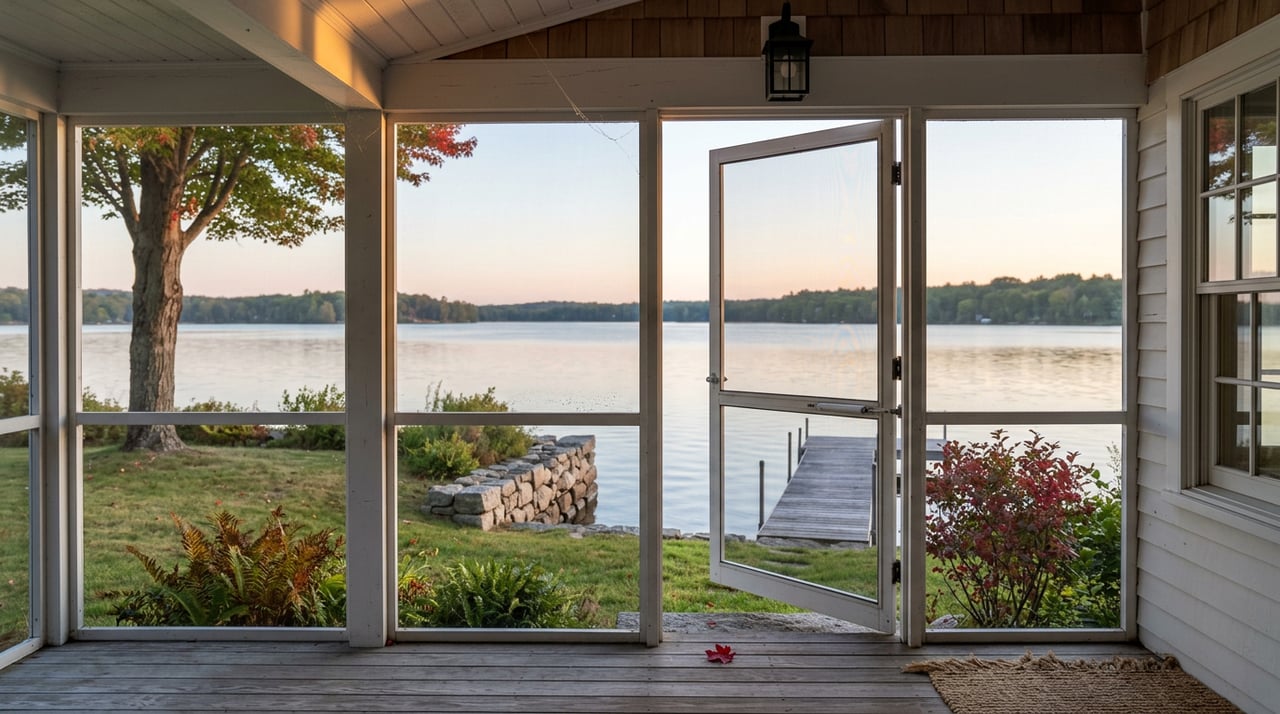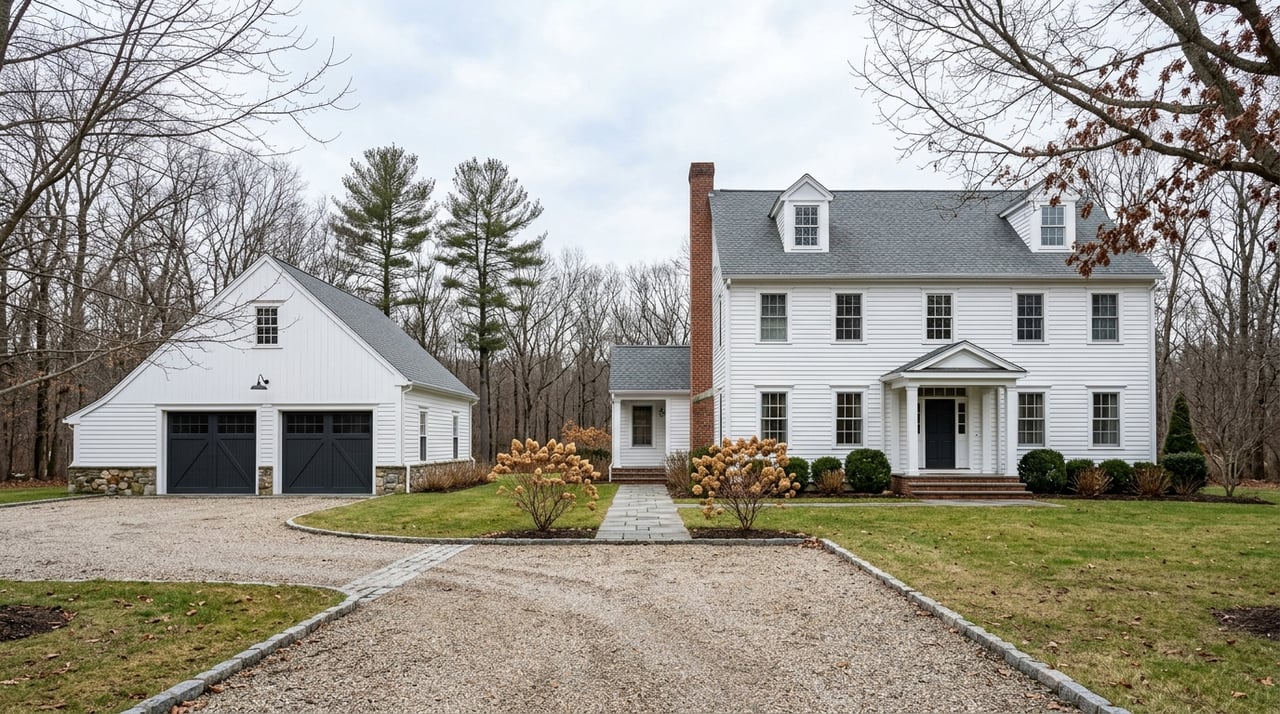
Selling an acreage or estate home in Hollis is rarely just about listing a house. Buyers in this market often study the land, access, approvals, and future options as closely as they study the kitchen or primary suite. If you want to protect your timeline and price, it helps to prepare for those questions before your home goes live. Let’s dive in.
Why Hollis Acreage Sales Need Extra Prep
Hollis has a distinctly land-sensitive real estate landscape. According to the town master plan, 66.97% of land is in the Residential and Agricultural district, and another 19.59% is in Rural Lands. That local framework shapes how buyers view larger properties.
For many acreage and estate sales, the conversation quickly moves beyond square footage and finishes. Buyers want to know how the land functions, whether access is straightforward, and what limits may affect future plans. In Hollis, those details can directly influence pricing, buyer confidence, and time on market.
In several core residential and rural districts, Hollis zoning sets minimum lot area at 2 acres per dwelling unit with 200 feet of frontage. Backland lots can require 4 acres and 20 feet of frontage. That means lot layout, frontage, and configuration can matter as much as total acreage.
Hollis also defines a buildable residential lot as having 1.5 contiguous acres of acceptable land that is not divided by utility easements, rights-of-way, or waterways. For sellers, this is a big reason to think carefully about how your property is described and documented. A parcel may look generous on paper, but buyers will focus on what is actually usable.
Start With Acreage Verification
One of the smartest first steps is verifying the acreage that will appear in your marketing and disclosures. Hollis Assessing maintains property record cards and tax maps, and the town notes that the detailed record is the property record card on file. If deed acreage differs from the town’s information, Hollis says it will review a recent survey if one exists.
If no survey is on file, or if a recent survey has not been done, a new survey is required before acreage changes are made. That can create delays if you wait until a buyer is already asking questions. On an acreage or estate property, that kind of delay can weaken momentum.
A current survey also helps support the story of the property. It can clarify boundaries, frontage, access points, easements, and the overall shape of the lot. For larger parcels in Hollis, that clarity is often essential.
Understand What Buyers Mean by “Usable Land”
A common mistake in acreage marketing is treating all land as equal. In Hollis, buyers often want to know how much of the property can realistically support outdoor use, improvements, or future changes. That is where local overlays and site conditions become important.
Hollis has a Wetland Conservation Overlay zone that establishes a 100-foot buffer around wetlands, hydric soils, and surface waters. The town’s floodplain ordinance also incorporates FEMA special flood-hazard areas into the Flood Plain Overlay Zone. As a result, the deeded lot size may be larger than the area a buyer feels they can actively use.
This affects how buyers think about additions, outbuildings, clearing, gardens, pasture space, and even driveway options. If your property includes protected areas or buffer zones, it is better to define them early than leave room for confusion later. Clear information builds trust.
Prime agricultural soils are also part of Hollis’s long-term open-space planning. That reinforces the town’s emphasis on land characteristics, not just the home itself. For many buyers, the quality and layout of the land are part of the home’s value story.
Gather the Right Records Before Listing
A well-prepared file can make a major difference when selling an estate or acreage property. These homes often come with more moving parts, and buyers tend to be more detail-oriented. The more complete your documentation, the easier it is to answer questions quickly and confidently.
Your core file should usually include:
- Deed
- Most recent survey
- Easements
- Subdivision plans or site plans
- Town property record card
- Recorded driveway approvals
- Septic approvals and plans
- Building approvals for major improvements
Hollis notes that deeds, easements, surveys, and subdivision plans can be obtained from the Hillsborough County Registry of Deeds. The town also provides access to assessment records and tax maps for verification. Pulling those records before listing can help prevent last-minute surprises.
If older records are missing, Hollis has an archived document search that includes archived subdivision files, site plans, septic plans, and closed building permits. That is especially helpful for estate properties that may have been improved over time. A detached garage, barn, patio, pool, generator, or finished lower level may all trigger buyer questions.
Review Improvements and Permit History
On estate properties, buyers often ask whether additions and accessory features were properly documented. Hollis’s building materials make clear that site plans, setbacks, septic layout, driveway approval, and related approvals are central to the review process for new residential construction. That local record-keeping can also help sellers confirm what exists on the property today.
This matters most when a home includes features such as:
- Barns or sheds
- Detached garages
- Finished basements or attics
- Decks, porches, or patios
- Pools or hot tubs
- Fireplaces or wood stoves
- Whole-house generators
If a feature adds value in your eyes, make sure it is also supported by paperwork where needed. This gives buyers more confidence and helps your listing presentation stay accurate. It also reduces the chance of renegotiation after due diligence begins.
Prepare Water and Septic Information Early
Private systems are a major part of many Hollis acreage sales. New Hampshire law requires sellers to disclose private water-supply information and sewage-disposal information in writing before a purchase contract is executed. If information is unknown, that must also be disclosed in writing.
For one- to four-family dwellings, the seller must also disclose whether the property is in a federally designated flood-hazard zone, along with insulation information. These are not details to leave until the last minute. Early preparation helps the transaction feel more organized and transparent.
For private wells, the New Hampshire Department of Environmental Services says there is no state requirement to test well water, but it recommends that private-well owners test. DES also notes that mortgage lenders and some municipalities may require testing at sale or before occupancy.
DES further notes that naturally occurring contaminants such as bacteria, arsenic, radon, and uranium can be present in well water. Even when testing is not legally required, having recent well-water results and treatment-system records can make your listing package stronger. Buyers tend to feel more comfortable when key systems are documented.
Septic records matter just as much. Hollis’s permit materials tie septic approval to bedroom count, so buyers may ask whether bonus rooms, finished lower levels, or accessory areas were ever counted or approved as bedrooms. If your home has evolved over time, this is worth checking before you hit the market.
Be Ready for Current Use Questions
If your property includes a substantial amount of land, buyers may ask whether any of it is in current use. According to the New Hampshire Department of Revenue Administration, current use land generally involves 10 acres or more. That status can be important to value, taxes, and future plans.
If land is changed to a non-qualifying use, RSA 79-A:7 imposes a 10% land use change tax. The statute treats certain actions, including construction, utility installation, grading, excavation, and some subdivision-related changes, as triggering events.
For a seller, this does not automatically create a problem. It does mean buyers may want a clear understanding of what future changes could carry tax consequences. If your land is in current use, expect that question and be ready with accurate information.
Anticipate Development and Expansion Questions
Many buyers looking at acreage in Hollis will ask some version of this question: What can be done here in the future? The answer often depends on zoning district, frontage, lot size, wetland buffers, buildable land, soil conditions, driveway approval, and septic capacity.
That does not mean every acreage buyer wants to subdivide or build. It means buyers often see optionality as part of value. Even if they never act on that potential, they want to understand what the property may or may not support.
This is where a detail-focused selling strategy matters. If you can present the survey, site plan, septic information, and any planning-related materials in an organized way, you make the property easier to evaluate. That can help serious buyers move forward with more confidence.
Use Photography to Explain the Property
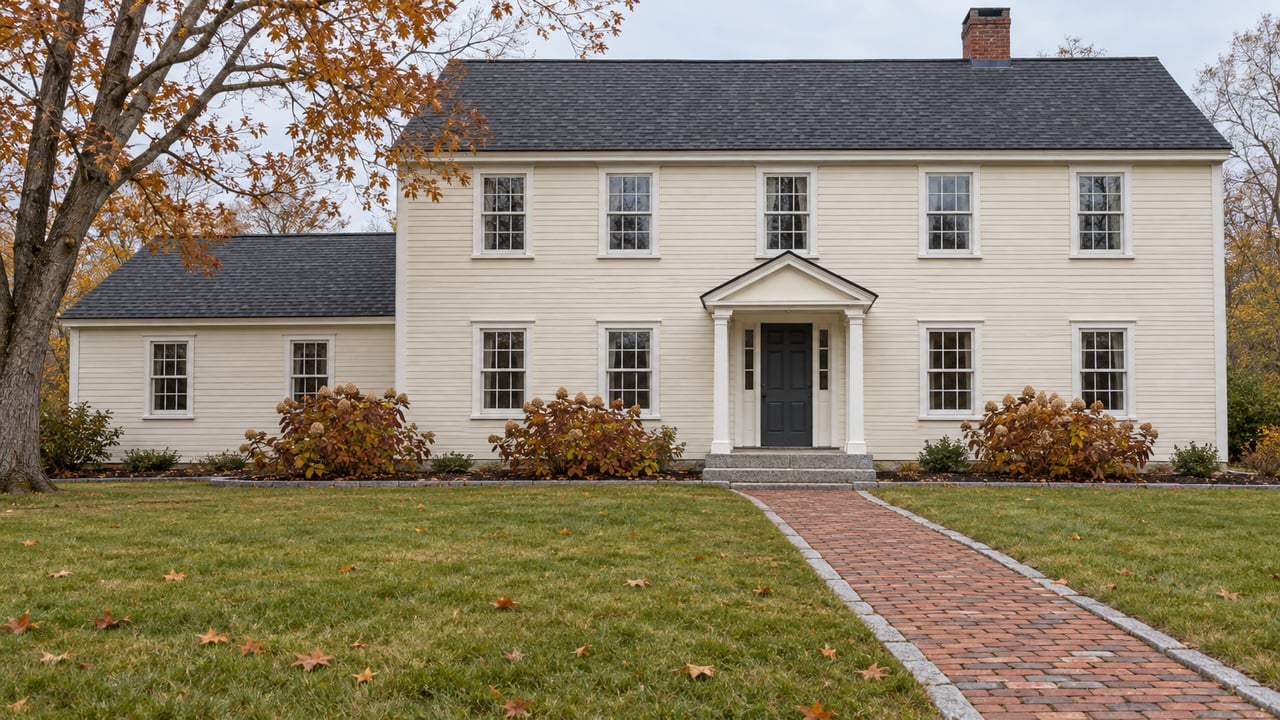
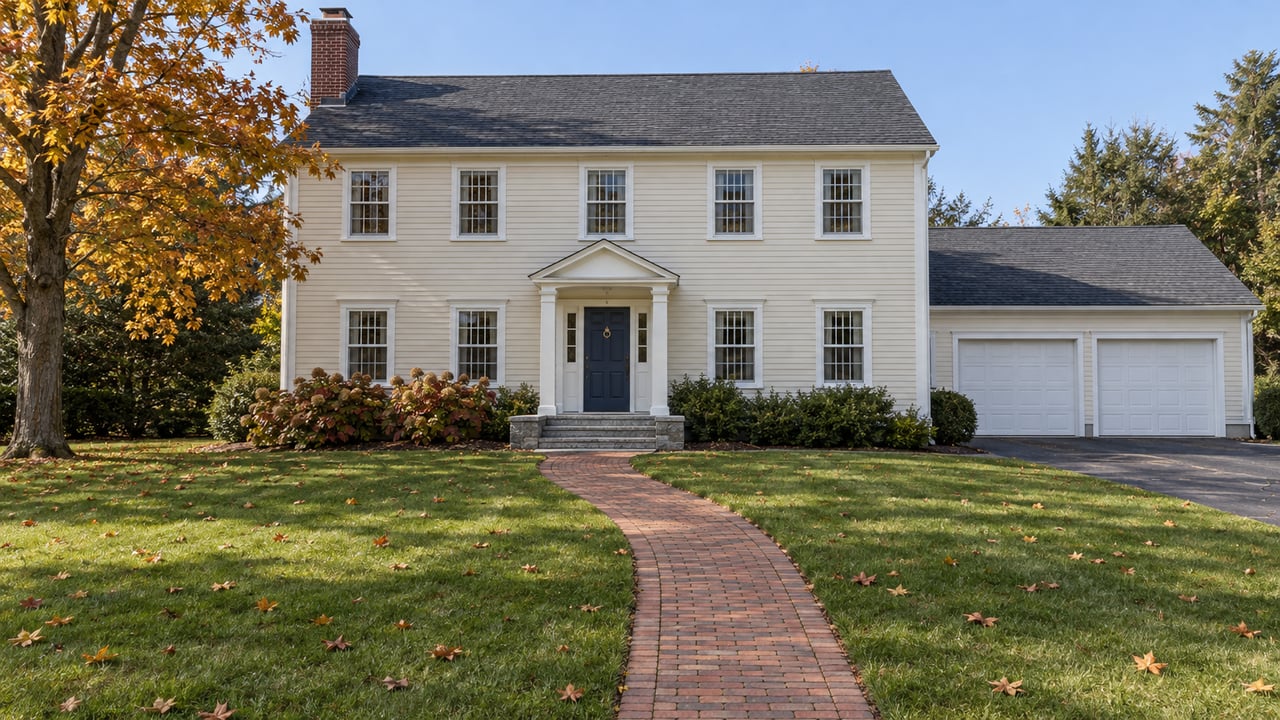
For estate and acreage listings, photography should do more than showcase interiors. The images should help buyers understand how the property sits on the land and how the site functions. That is especially important in Hollis, where access, setbacks, outdoor features, and site conditions often shape buyer decisions.
A stronger visual package usually includes:
- Driveway approach and entry sequence
- Open lawn, fields, or wooded sections
- Barns, garages, and accessory structures
- Outdoor living areas
- Land contours and layout
- Areas that help explain views or privacy
This approach fits Rebecca Curran Realty’s detail-driven marketing style. When a property has complex land value, strong visuals and accurate documentation work best together. The goal is not just to attract attention, but to answer important questions before they become objections.
Why Strategy Matters in Hollis
Selling an acreage or estate home in Hollis takes a different level of preparation than a more typical residential listing. You are not only presenting a home. You are presenting land, systems, approvals, and the practical reality of how the property can be used.
That is where technical clarity becomes a real advantage. When your pricing, presentation, records, and disclosures align, buyers have an easier time seeing the value and moving forward with confidence. In a market like Hollis, that kind of preparation can support both stronger negotiations and a smoother path to closing.
If you are thinking about selling an acreage or estate property in Hollis, working with an advisor who understands both the marketing side and the land-related details can make the process far more manageable. To start planning your next move, connect with Rebecca Curran.
FAQs
What makes selling an acreage home in Hollis different from selling a standard house?
- Buyers often evaluate the land, frontage, survey, access, wetlands, septic, and future potential alongside the home itself.
What records should sellers gather for a Hollis estate home sale?
- The most helpful records usually include the deed, survey, easements, site or subdivision plans, property record card, driveway approvals, septic records, and permits for major improvements.
Why do Hollis buyers ask about usable acreage?
- Hollis wetlands buffers, floodplain rules, lot configuration, and buildable-land standards can affect how much of the parcel a buyer can realistically use or improve.
What water and septic disclosures are required for a Hollis home sale?
- New Hampshire requires written disclosure of private water-supply information and sewage-disposal information before a purchase contract is signed, and unknown information must also be disclosed in writing.
How can current use affect a Hollis acreage sale?
- If land is in current use, buyers may ask whether future construction, grading, subdivision, or other changes could trigger the 10% land use change tax under RSA 79-A:7.
What should listing photos show for a Hollis estate property?
- In addition to the home’s interior, photos should usually show the driveway approach, land layout, accessory structures, outdoor features, and other site details that help explain how the property functions.