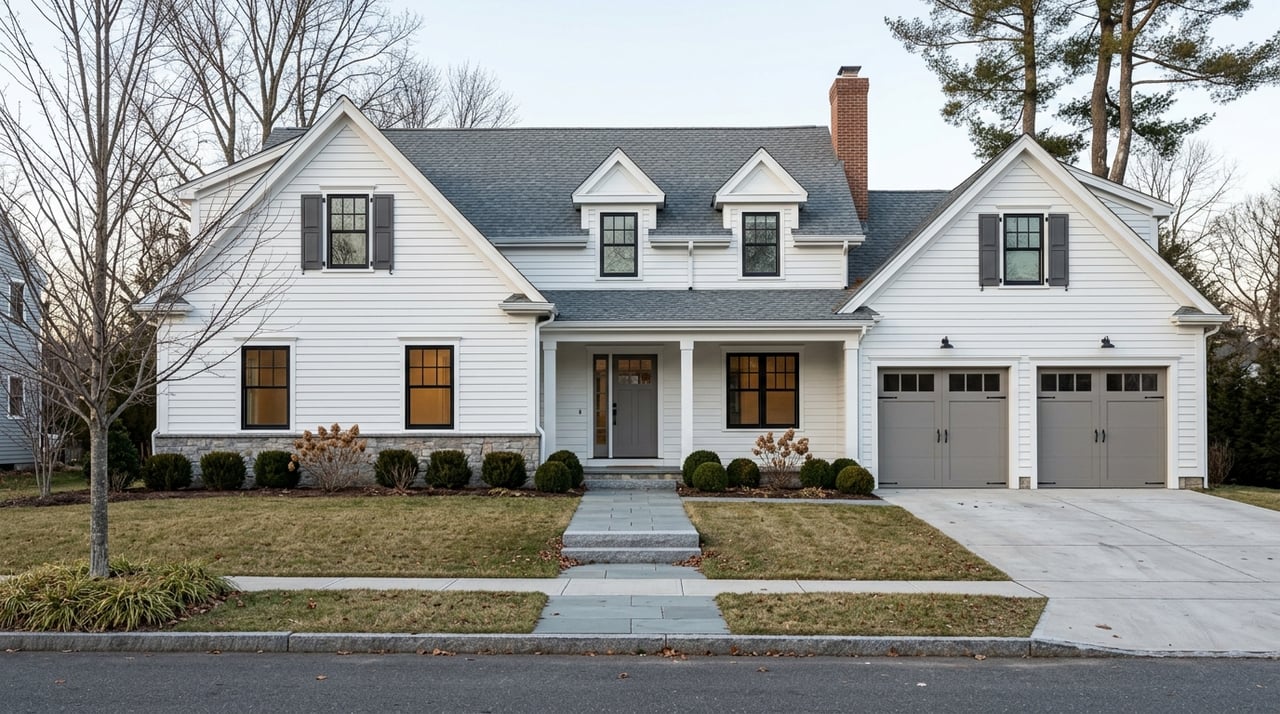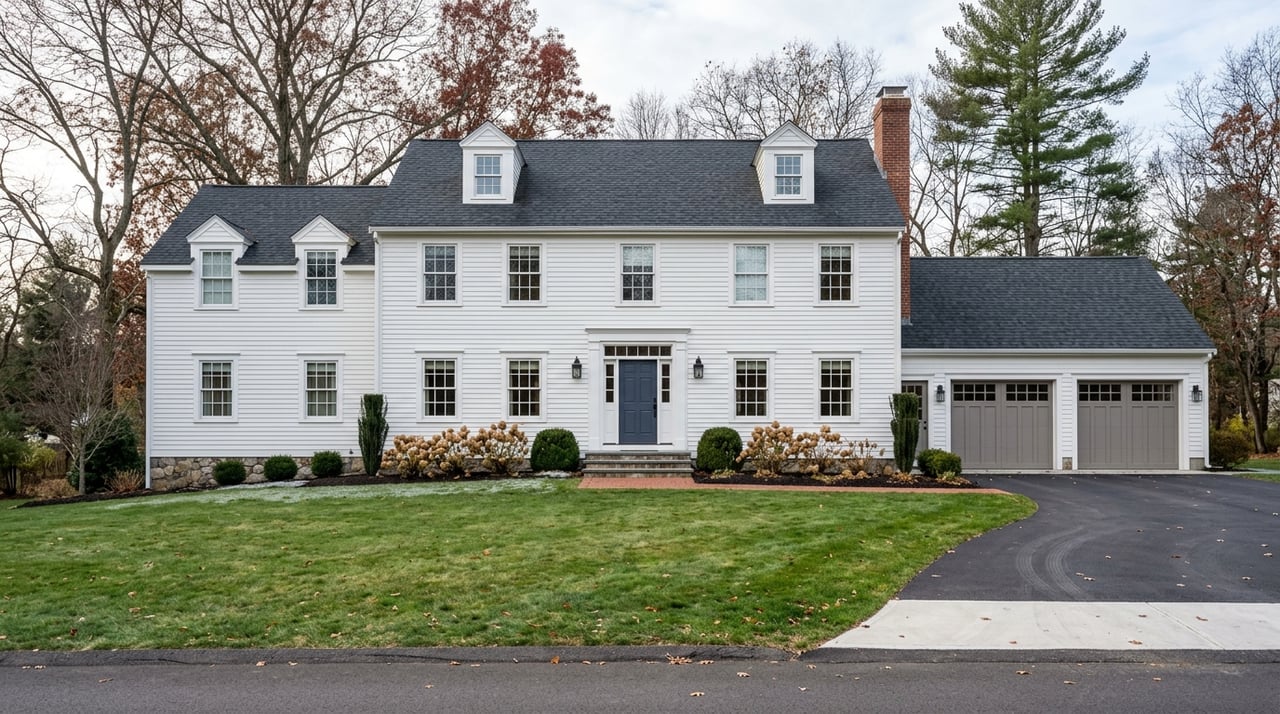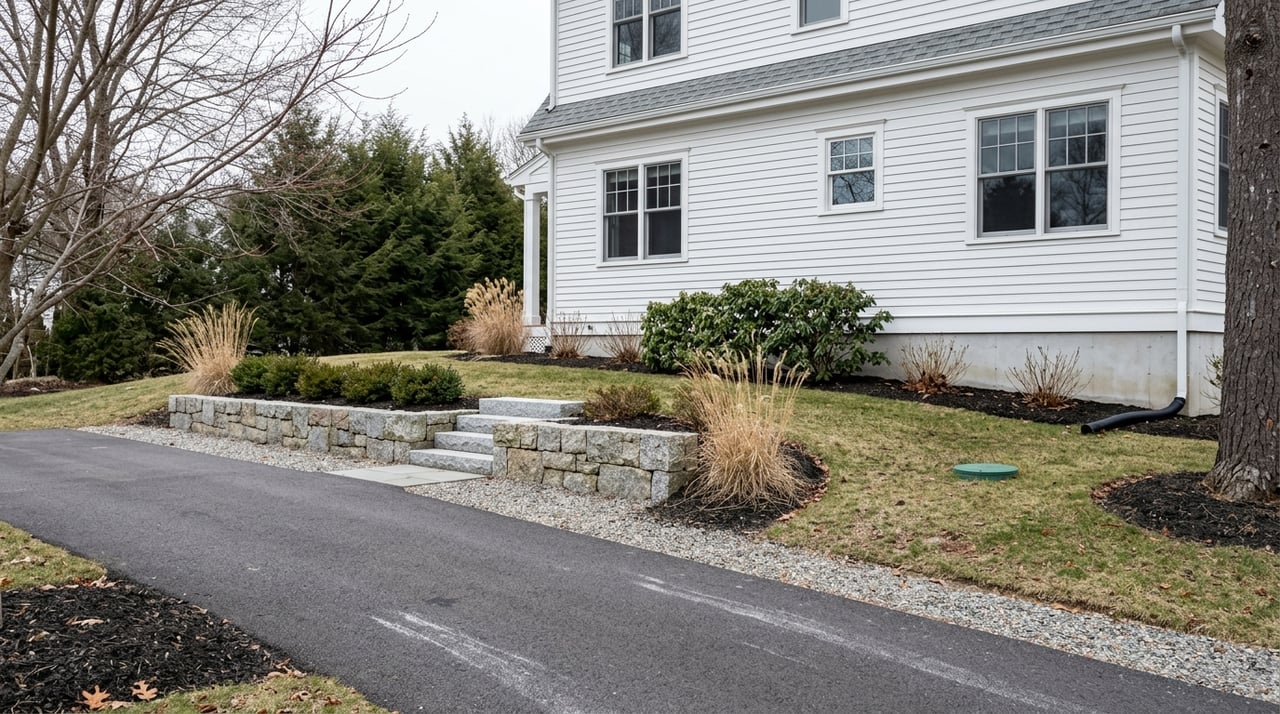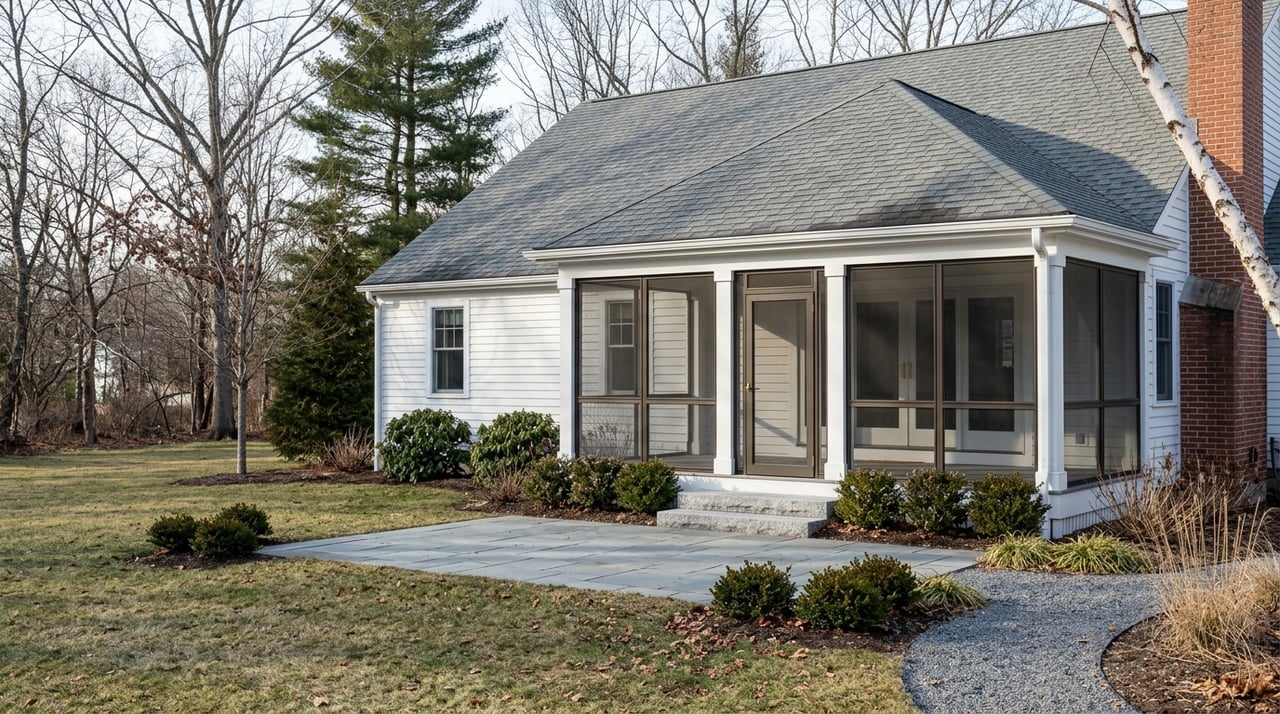
Do you picture waking up to quiet woods, a long private drive, and room for gardens, animals, and hobbies? If so, acreage in Hollis, NH might be exactly what you want. The tradeoff is that more land brings more responsibility, from plowing to septic care. In this guide, you’ll learn what daily life on acreage really looks like in Hollis, how to plan for utilities and maintenance, what to check before you buy, and how location affects value and commute. Let’s dive in.
The Hollis acreage lifestyle
Hollis sits in southern New Hampshire near the Massachusetts border. It blends a rural feel with access to larger job centers and shopping in nearby Nashua and across the state line. When you buy acreage here, you typically gain privacy, natural buffers, and space for projects. You also accept longer drives for everyday errands and more seasonal chores.
Big picture: acreage offers privacy, versatility, and a stronger connection to the land. You manage more systems and logistics than you would on a small suburban lot.
Privacy, space, and layout
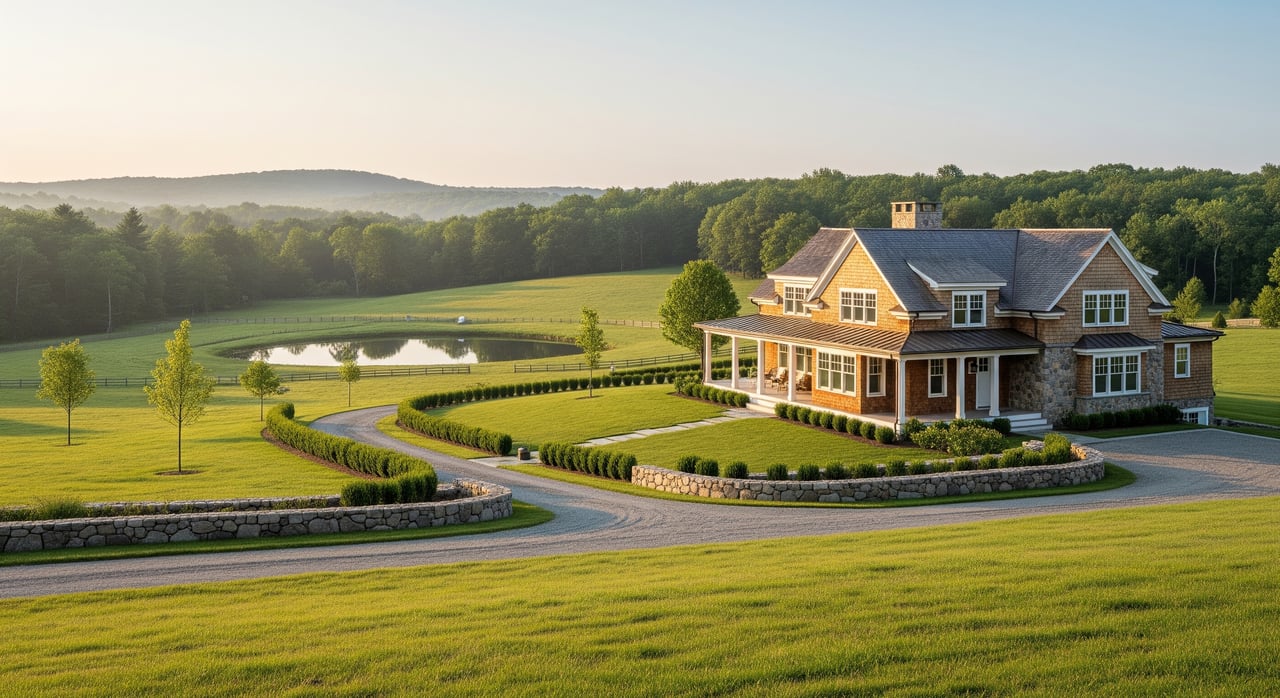
Larger lots in Hollis often include woods, meadows, and historic stone walls. Homes sit farther from neighbors with mature trees or hedgerows that act as buffers. Many owners add barns, sheds, fenced paddocks, or garden areas. Private trails, small ponds, and open fields are common on some parcels.
If you want space for horses, chickens, or hobby farming, acreage gives you options. If you simply want quiet and views, you can keep the land natural and use it for walking, skiing, or wildlife watching.
Daily rhythms and chores
Life on acreage is active. You will likely trade some gym time for property care. Typical routines include:
- Mowing lawns and open fields, trimming brush, and clearing trails.
- Seasonal cleanup, including spring debris pickup and fall leaf removal.
- Driveway care, such as grading gravel, maintaining culverts, and patching or sealing paved sections.
- Snow removal for long driveways and paths. Many owners hire a contractor or invest in equipment.
- Fence and outbuilding upkeep if you have barns, sheds, or paddocks.
- Well and septic attention, including periodic testing, pumping, and inspections.
Less frequent tasks can include removing storm-damaged trees, managing invasive plants, and maintaining ponds or drainage features. Planning and scheduling help keep these projects manageable.
Sounds and quiet in the country
Rural does not always mean silent. You may hear tractors, occasional ATVs or snowmobiles, seasonal hunting, or active wildlife. Some parcels also sit under flyways with occasional low aircraft. Local culture and town rules shape what is common. If you value quiet, visit at different times and talk to the town about bylaws for recreation and noise.
Access and convenience
You will likely drive a bit farther for groceries, medical care, restaurants, and entertainment than residents in denser suburbs. Many Hollis owners plan errands and shop in Nashua or nearby Massachusetts towns. If commute time matters, map routes to major highways, job centers in Nashua or Manchester, and, if needed, Massachusetts employment hubs.
Water and septic basics
Most acreage in Hollis uses private wells and on-site septic systems. This is normal in rural southern New Hampshire. Be prepared to:
- Test the well for water quality and confirm performance during due diligence.
- Review septic design records and service history, and schedule an inspection before closing.
- Plan for routine septic pumping, commonly every 3 to 5 years depending on use.
Soil conditions, lot layout, and age of systems affect cost and future maintenance. If you plan additions or a new outbuilding that requires plumbing, you may need new soil testing or design changes.
Heating and utilities
Natural gas is uncommon on many rural lots. Common heating sources include oil, propane, wood, pellets, electric, or heat pumps. You will plan fuel deliveries, wood supply, or combined systems for comfort and cost control. Ask about past fuel usage, delivery schedules, and storage tank details.
Electric service in rural areas can take longer to restore after major storms. Ask about any history of outages, the service provider, and whether a generator hookup exists. If not, consider adding one.
Broadband and phone service
Internet speeds vary by address. Some parts of Hollis have fiber or cable, while others rely on DSL, fixed wireless, or satellite. Before you make an offer, confirm providers and expected speeds for the exact property. This is essential if you work from home, game, or stream regularly. Cell coverage can also vary with terrain and tree cover, so test your carrier on-site.
Roads, driveways, and winter prep
Longer driveways are common on acreage. They require:
- Regular grading for gravel and attention to culverts and ditches.
- Occasional resurfacing or patching for paved sections.
- Snow removal plans before the first storm.
Some roads are public and town-plowed. Others are private or shared, with maintenance handled by owners or a road agreement. Always confirm whether your access is public or private, and budget accordingly.
Outbuildings, fences, and features
Barns, sheds, arenas, and historic structures add utility and charm. They also increase maintenance needs and insurance complexity. Check roof age, structural condition, and any past permits. If you plan equestrian use or livestock, confirm fencing, water access, and safe storage for feed and equipment.
Wildlife, pests, and vegetation
Southern New Hampshire wildlife includes deer, coyotes, turkeys, and sometimes black bears or moose. You may need strategies to protect gardens and secure trash. Ticks are a reality in wooded and grassy areas, so plan prevention. Invasive plants can spread quickly without active management. If your parcel includes wetlands or streams, expect seasonal changes and be ready to maintain buffers in line with local rules.
Zoning and land use basics
Hollis zoning sets minimum lot sizes, setbacks, allowable uses, and rules for accessory buildings, home occupations, and agricultural activity. If you are considering an accessory apartment, a new barn, or subdividing land, check the current ordinance and speak with the Planning and Zoning office before you commit to a plan.
Some parcels carry conservation easements that limit future development or subdivision. Ask for a title search and any recorded plans or easement maps during due diligence.
Wetlands and stream buffers are common on rural lots. Altering these areas usually requires permits. The New Hampshire Department of Environmental Services provides rules and best practices for wells, septic, and wetlands work. Local building and code officials can outline permits for new structures or renovations.
Taxes, insurance, and permits
New Hampshire does not impose a broad state income or sales tax. Municipal property taxes fund a large share of local services. For an accurate picture of carrying costs, review the most recent tax bill and assessed value for the property, and ask the town for the current tax rate.
Insurance needs may be higher with outbuildings, livestock, or farm-related activity. Distance to hydrants or fire stations can affect premiums. Ask carriers about coverage options, any requirements for barns or arenas, and whether you need higher liability limits.
When adding structures or renovating, expect to pull building permits, and secure septic or well approvals if you are changing systems. Some driveway work requires a permit for culverts or curb cuts.
Community, services, and amenities
Hollis offers a small-town feel with local farms, seasonal events, and conservation lands with trail networks. Public schools are organized within the Hollis‑Brookline district. If schools matter to your decision, contact the district for assignments, calendars, and bus routes.
Emergency services are provided locally with mutual aid from neighboring communities. For healthcare, many residents use hospitals and urgent care in Nashua and nearby towns. Day-to-day shopping often happens in Hollis center, Nashua, or across the state line depending on what you need.
Commuters drive to reach major routes and employment hubs. Public transit is limited, so map commute times from the specific address, especially if you plan to work in Nashua, Manchester, or the Boston area.
Who acreage fits best
Acreage appeals to buyers who value privacy, outdoor space, and flexibility. It is a strong fit if you:
- Enjoy hands-on property care or plan to coordinate contractors.
- Want room for horses, gardens, or hobby farming.
- Prefer a quieter setting with more distance from neighbors.
- Can trade some convenience for a more private lifestyle.
If you need quick access to transit or do not want to handle regular maintenance, a smaller lot or village setting may suit you better.
Buyer checklist: what to verify
Before you buy acreage in Hollis, use this practical checklist:
- Water and septic
- Confirm well yield and water quality test results.
- Obtain septic design records, pump dates, and inspection history. Schedule a current inspection.
- Boundaries and title
- Review a survey if available and verify property lines. Check for encroachments.
- Request a title search for conservation easements, rights of way, or deed restrictions.
- Soils and feasibility
- If you plan new construction or system changes, ask for soil and percolation tests.
- Access and roads
- Ask whether the road is public or private and who pays for maintenance and plowing.
- Utilities and services
- Confirm electric provider, internet availability and speeds, and cell service at the address.
- Identify fuel suppliers for oil or propane and their delivery schedules.
- Ask about trash and recycling procedures or transfer station access.
- Costs and timelines
- Get local estimates for driveway work, septic replacement, well drilling, and tree or brush clearing.
- Speak with landscapers, arborists, and snow contractors about recurring fees.
- Fit and expectations
- Consider your comfort with wildlife, equipment ownership, and routine contracting.
- Weigh commute needs, school logistics, and medical access.
Resale and long-term value
Buyers choose Hollis for privacy and a rural setting within the broader Boston commuting region. Parcels closer to job centers and main routes often have stronger marketability. Development potential can influence value. Parcels with clean soils, good road frontage, and favorable zoning may carry added upside, while wetlands and easements can limit options.
Long-term value depends on how well you maintain systems, access, and structures. Upfront due diligence and a realistic maintenance plan help protect your investment and improve resale.
How to move forward
Acreage in Hollis can deliver the lifestyle you imagine if you plan for the systems and maintenance that come with it. Start by clarifying how you will use the land, then verify utilities, access, and constraints before you make an offer. A clear plan removes surprises and puts you on a smooth path to closing.
If you want a guide who understands both lifestyle goals and technical site details, connect with Rebecca Curran. With an engineering background and experience across NH and MA, you get practical advice on wells, septic, zoning, and development potential, alongside full buyer representation or listing strategy when you are ready to sell.
FAQs
What should I know about wells and septic on Hollis acreage?
- Most parcels rely on private wells and on-site septic systems. Test the well for quality and performance, review septic records, and plan for pumping every 3 to 5 years depending on use.
How do private roads and long driveways affect ownership in Hollis, NH?
- Private roads and long driveways usually mean owners handle grading and snow removal. Confirm whether access is public or private and who pays for maintenance before you buy.
Will I get fast internet on a rural Hollis property?
- Internet speeds vary by address. Some areas have fiber or cable, while others use DSL, fixed wireless, or satellite. Verify providers and speeds for the exact property.
Are barns, paddocks, or arenas allowed on Hollis acreage?
- Many owners have outbuildings and paddocks, but zoning sets rules on setbacks, size, and use. Check the current ordinance and ask the Planning and Zoning office about permits.
What wildlife should I expect on rural land in southern New Hampshire?
- Deer, coyotes, turkeys, and sometimes black bears or moose are part of the landscape. Protect gardens, secure trash, and plan tick prevention in wooded or grassy areas.
How do property taxes and insurance work for larger parcels in Hollis?
- New Hampshire relies on municipal property taxes. Review the property’s latest tax bill and the town’s rate. Insurance may be higher with outbuildings or longer distances to hydrants.
What is the commute like from Hollis to Nashua, Manchester, or Boston?
- Most residents drive. Public transit is limited, so map commute times from the specific address. Proximity to main routes can make a meaningful difference.
What inspections are most important when buying acreage in Hollis, NH?
- Prioritize a septic inspection, well testing, a boundary review or survey, and checks on access, internet availability, fuel delivery, and any conservation easements or wetlands.