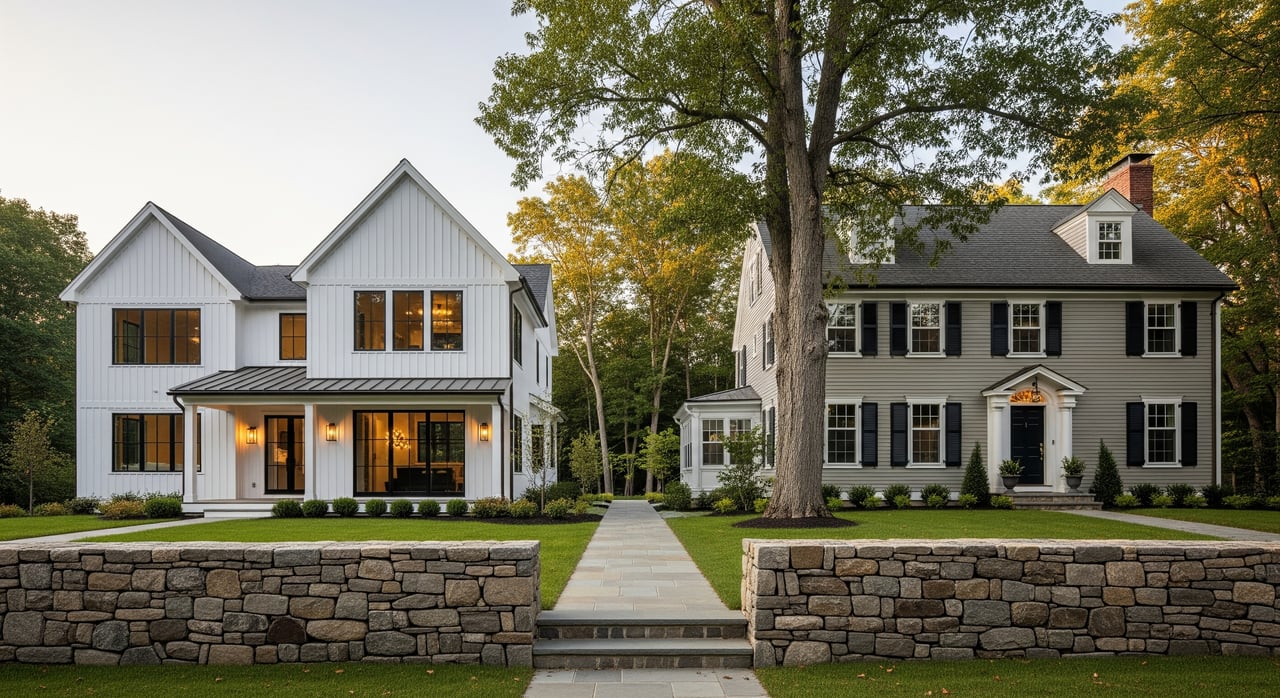
Torn between a shiny new build and a charming resale in Windham? You are not alone. Many move-up buyers weigh timelines, customization, HOA rules, and long-term value before they choose. In this guide, you will learn how the decision plays out specifically in Windham and the surrounding Rockingham and Strafford County markets, with step-by-step tips to reduce risk and keep your move on schedule. Let’s dive in.
Windham market reality
Windham’s appeal is clear: suburban convenience, access to southern New Hampshire job centers, and proximity to Greater Boston. What makes your decision complex is the limited developable land and the way local rules impact build schedules and costs. Permits, septic approvals, and utility availability are set at the town level and can shift your timeline and budget.
Because market stats change quickly, use current local MLS data and town sources when you are ready to act. The Town of Windham’s Planning, Zoning, Building, and Assessing departments can confirm zoning, setbacks, and whether a lot uses municipal services or private well and septic. The Rockingham County Registry of Deeds is essential for easements and deed restrictions. For families, verify school boundaries directly with the Windham School District.
Timeline: how fast you can move
You want clarity on when you can actually get the keys. Windham timelines vary by property type and the stage of the build.
- Resale homes: With financing, most buyers close in about 30 to 45 days after offer acceptance. Timing depends on contingencies, your lender, and the seller’s plans.
- New construction inventory/spec homes: If the home is finished or near completion, you can often close within weeks to a few months after final approvals.
- New construction production homes: From contract to move-in, expect about 4 to 12 months depending on the builder’s schedule, materials, and permitting.
- Custom builds: Highly tailored projects commonly run 9 to 18 months or more.
Local factors like Windham’s permitting queue, site clearing seasons, septic design and approvals, and any needed road or utility extensions can lengthen a build. If you need to sell first, explore home-sale contingencies, short-term rentals, or bridge financing to line up dates.
Warranties and peace of mind
One major advantage of a new home is the warranty structure. While documents vary by builder, industry norms often include a 1-year limited warranty on workmanship, a 2 to 3-year period for systems coverage or manufacturer warranties, and a 10-year structural warranty. Ask whether the builder’s warranty is backed by a third-party insurer, how claims are handled, and what is excluded.
Resale homes do not come with a required warranty. Some sellers offer a 1-year home warranty on appliances and major systems, but you should rely on thorough inspections and negotiate credits or repairs during due diligence.
Customization vs cost control
If you want to choose layouts and finishes, new construction is attractive. Early buyers often pick floor plans, materials, and energy-efficient systems. That said, upgrades add cost. Keep a close eye on allowances and change orders, and get clear pricing and time impacts in writing.
Resale homes offer immediate occupancy and can be more cost-efficient if you like the existing finishes. You can remodel in stages after closing to spread out expenses. In Windham, site conditions matter. Topography, wetlands, and ledge can limit floor plan choices or increase site work costs. Involve a local builder or engineer early if you are considering a build on a complex lot.
Lot and site specifics in Windham
Your lot choice drives lifestyle and resale potential. You will see three common scenarios:
- Infill lots inside established neighborhoods, where utilities may be closer.
- New subdivisions with builder models and community covenants.
- Rural or wooded parcels where you likely need a private well and septic.
Key questions to answer before you commit:
- Is there municipal water or sewer, or will you rely on well and septic? This affects upfront costs, long-term maintenance, and buyer appeal down the road.
- Does the lot include wetlands, steep grades, or ledge that require engineered solutions or blasting?
- Who maintains the road and handles snow removal, and is it a public or private road?
- Are there conservation restrictions, utility easements, or recorded covenants?
Confirm utilities and zoning with Windham’s Planning and Assessing departments, and check the Registry of Deeds for recorded restrictions.
HOA and community rules
Many Windham subdivisions, especially master-planned or cluster communities, have HOAs. Early on, builders often control the board and budgets. Review fees, what services are included, and the rules for exterior changes, rentals, and pets. For established neighborhoods with HOAs, request budgets, reserve studies, meeting minutes, and any special assessment history to understand financial health.
If you prefer maximum flexibility, compare HOA covenants carefully across options. If you value amenities and consistent upkeep, the right HOA can be a plus.
Financing and appraisal basics
Financing for resale is straightforward with conventional mortgages and standard appraisals. New construction can be different:
- Ground-up builds may require a construction or construction-to-perm loan, where you pay interest-only during the build and convert to a permanent mortgage at completion.
- Appraisals for new builds are typically based on completed value using plans and specs, and lenders will review the builder and contract.
- If you buy a finished spec home, you usually use a standard mortgage once the certificate of occupancy is issued.
Use lenders who regularly handle New Hampshire construction loans and understand local appraisal norms.
Resale outlook in Windham
Over the short term, new homes in prime locations often command a premium, especially with modern layouts and energy-efficient systems. Over the long term, performance tends to converge around location and lot quality. A well-built resale on a larger, private lot can outperform a smaller new home on a constrained site.
To gauge long-term value, focus on micro-location, lot attributes, build quality, and community reputation. Use fresh comparable sales from the local MLS and lean on a Windham-focused agent for pricing and resale advice.
Quick decision matrix
Use this simple matrix to pressure-test your priorities. Adjust the weight of each factor based on your situation.
| Buyer priority | Lean new construction | Lean resale | Why it matters |
|---|---|---|---|
| Need to move quickly | ✓ | Resale typically closes in 30–45 days | |
| Desire for customization | ✓ | Early selections shape layout and finishes | |
| Strong, transferable warranty | ✓ | Builder warranties add post-closing protection | |
| Fewer surprises on cost/timing | ✓ | Resale avoids change-order and permitting risks | |
| Larger established lots | ✓ | Older homes often sit on bigger, mature parcels | |
| Avoid HOA restrictions | Depends | Depends | Review covenants in each community |
| Financing simplicity | Depends | ✓ | Construction loans add steps; resale is standard |
| Broad resale appeal | Depends | ✓ | Desirable micro-locations attract more buyers |
Contract and inspection essentials
Even with a great builder or a well-kept resale, details win the day. Protect yourself with clear contracts and thorough inspections.
Builder contracts: what to review
- Price and included specs. Attach a detailed spec sheet with allowances for finishes.
- Change orders. Define approval, pricing, deposits, and how changes affect completion.
- Deposits and escrow. Clarify amounts, refund rules, and who holds funds.
- Completion timeline. Document target dates, allowed delays, and remedies for missed milestones.
- Financing contingency. Many builder contracts limit contingencies. Negotiate if you need one.
- Lot and utilities. Assign responsibilities for hookups, road work, and risk during construction.
- Warranty terms. Confirm durations, insurer backing if any, and the claim process.
- Disputes and liens. Outline arbitration or court, and require lien waivers from subcontractors at closing.
- Insurance. Specify who carries builder’s risk and site liability during construction.
Have a buyer’s agent and a New Hampshire real estate attorney review the full package before you sign.
Inspection strategy that works
- Resale homes: Order a comprehensive home inspection and add specialized checks for septic, well water quality, radon, lead, or mold as appropriate.
- New construction: Schedule stage inspections if possible, such as pre-drywall and mechanical rough-in, plus a detailed final inspection. Confirm municipal inspections and the certificate of occupancy are completed. For well and septic, obtain the required testing and approvals.
Document every punch-list item and negotiate completion before closing or agree on an escrow holdback to ensure delivery.
Negotiation and risk management
- If you must sell first, consider a home-sale contingency, short-term bridge financing, or a rent-back to align dates.
- Cap change orders where possible and require written pricing and timeline impacts.
- Collect lien waivers from the builder and all major subcontractors at closing.
- Ask for as-built drawings, manuals, and warranty registrations.
Local buyer checklist for Windham
Use this quick list to compare properties side by side:
- Confirm water and sewer availability with Windham Planning or Assessing.
- Verify zoning, setbacks, and conservation or driveway permits.
- Pull recent comparable sales from the local MLS for your specific micro-area.
- For new builds, request builder references, active Windham projects, sample contracts, and warranty details.
- For resales, complete a full inspection and consider septic, well, radon, and water tests.
- Review HOA budgets, reserves, covenants, and meeting minutes, and note any builder-control period.
- Get pre-approved with a lender experienced in New Hampshire construction loans if building.
- Confirm school boundary maps and enrollment directly with the district.
- Check who maintains the road and how snow removal is handled on private ways.
- Engage a local buyer’s agent and a New Hampshire attorney early.
How Rebecca Curran Realty helps
Choosing between new construction and resale is part market knowledge and part technical due diligence. With an engineering and drafting background plus deep southern New Hampshire experience, we help you read site conditions, interpret permits, and anticipate costs before they become surprises. Whether you are buying a finished spec home, breaking ground on a custom build, or targeting a high-value resale with room to renovate, you will have a clear plan, strong negotiations, and precise execution.
If you are weighing options in Windham, Rockingham County, or nearby Strafford County, let’s align your timeline, financing, and lot criteria so you can move with confidence. Reach out to Rebecca Curran to compare properties, review contracts, and map out your path to closing.
FAQs
How long does new construction take in Windham?
- Most production builds take about 4 to 12 months from contract to completion, with custom homes often running 9 to 18 months depending on permits and selections.
What warranties do Windham builders typically provide?
- Many builders offer a 1-year workmanship warranty, 2 to 3 years of systems coverage or manufacturer warranties, and a 10-year structural warranty, but always verify specifics.
Is resale usually faster than building new in Windham?
- Yes, most resale purchases close in roughly 30 to 45 days after offer acceptance, while new builds depend on construction and permitting timelines.
How do HOA rules differ in new subdivisions vs older areas?
- Newer subdivisions may start with builder-controlled HOAs and evolving budgets, while established HOAs have documented histories, so review covenants, fees, and meeting minutes either way.
Do I need my own inspections on a new home?
- Yes, schedule stage inspections and a comprehensive final inspection, and confirm municipal inspections and the certificate of occupancy are complete.
How does septic vs sewer affect my decision in Windham?
- Sewer access can simplify maintenance and appeal, while well and septic systems require additional due diligence, testing, and long-term planning.
What financing do I need for a ground-up build?
- Many buyers use construction or construction-to-perm loans with interest-only draws during the build, then convert to a permanent mortgage at completion.